The South Sea Company's Rise and Fall: A Study of the 1720 Financial Crisis
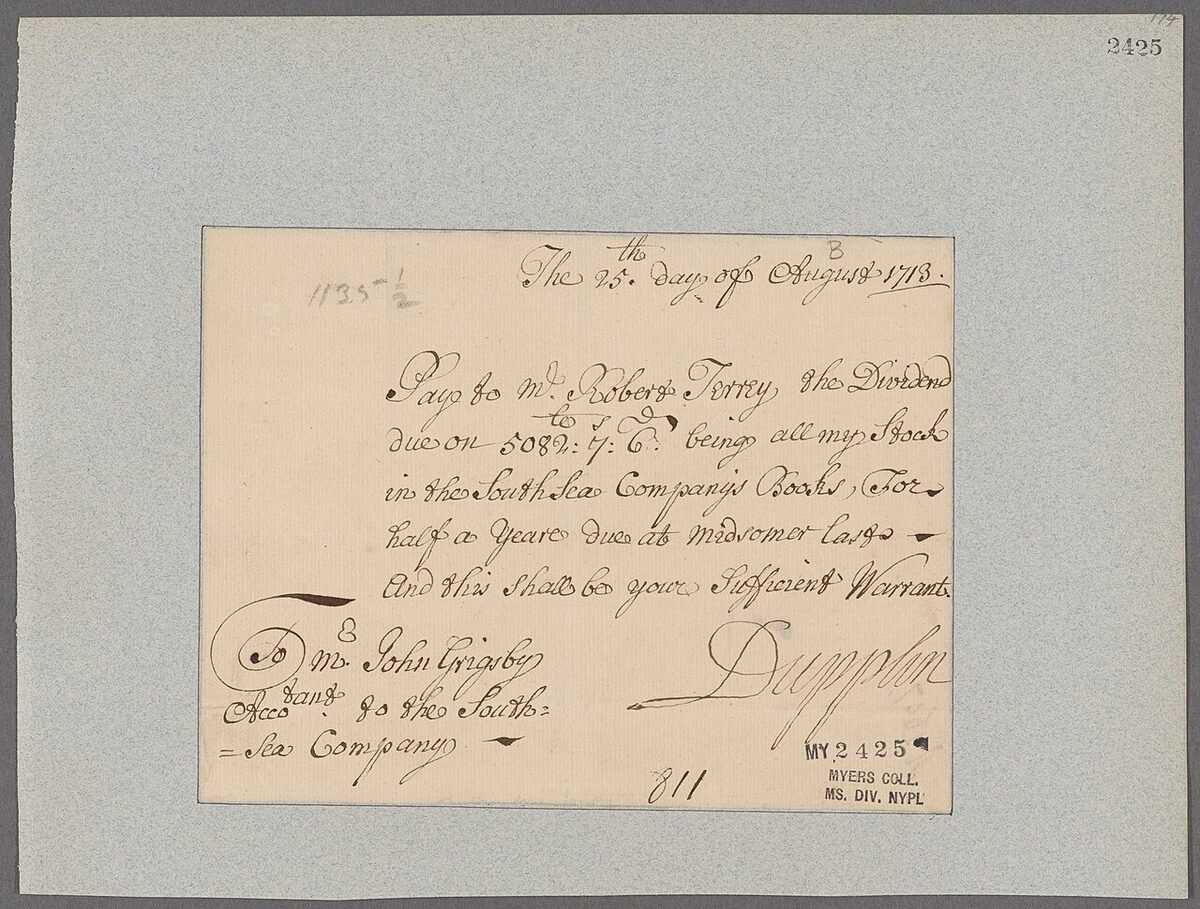
The South Sea Company’s Rise and Fall: A Study of the 1720 Financial Crisis
Overview
In 1720, the South Sea Company, led by Robert Blunt and his associates, attempted to establish itself as a dominant force on the London stock market. However, their ambitions were hindered by competition from the Bank of England, political opposition in Parliament, and the inability to control monopolistic positions on the stock market and credit markets. This study explores the events leading up to the 1720 financial crisis, which saw the South Sea Company’s share prices skyrocket before plummeting, causing widespread panic and economic devastation.
Context
The early 18th century was a time of significant economic growth in Britain, with trade and commerce expanding rapidly. The South Sea Company, founded in 1711, had initially focused on exploiting the riches of Spanish America through the Asiento contract, which granted it monopoly rights to supply slaves to the Spanish colonies. However, as the company’s fortunes grew, so did its ambitions, leading it to seek a broader role in British finance.
The Bank of England, established in 1694, had long been the dominant force in British banking and finance. Its influence was felt throughout the financial system, and it enjoyed a monopoly on the issue of banknotes, which were made legal tender by law. The Whig Party, led by figures such as Robert Walpole, dominated Parliament at this time, and they would prove to be formidable opponents of the South Sea Company’s plans.
Timeline
- 1711: The South Sea Company is founded with a monopoly on the Asiento contract.
- 1720: The company begins to issue shares to raise capital for its ambitious projects.
- May-June 1720: Share prices skyrocket as investors scramble to get in on the action.
- July 1720: A brief period of calm follows, but insiders and foreign speculators take their profits.
- August 1720: Panic sets in as share prices begin to fall.
- September 24, 1720: The Sword Blade Company fails due to lack of liquidity.
Key Terms and Concepts
- Monopoly: A market situation where a single company or individual has control over the supply of a particular good or service.
- Bubble Act: Legislation passed in 1720 to restrict new company flotations and prevent the creation of monopolies on the stock market.
- Legal Tender: A banknote that is accepted as payment for debts and can be used to settle transactions.
- Asiento Contract: A monopoly granted by the Spanish crown to the South Sea Company to supply slaves to its colonies in exchange for a fixed annual fee.
Key Figures and Groups
- Robert Blunt: Leader of the South Sea Company’s management team, responsible for navigating the company through the 1720 financial crisis.
- The Whig Party: Dominant force in Parliament at this time, opposed to the South Sea Company’s plans and led by figures such as Robert Walpole.
- Insiders and Foreign Speculators: Investors who profited from the South Sea Company’s rise before abandoning their shares when prices began to fall.
Mechanisms and Processes
The following sequence of events highlights the key mechanisms and processes that contributed to the 1720 financial crisis:
- The South Sea Company issues shares to raise capital for its ambitious projects.
- Share prices skyrocket as investors scramble to get in on the action, creating a bubble in the market.
- Insiders and foreign speculators take their profits before the bubble bursts, leaving individual investors with significant losses.
Deep Background
The 1720 financial crisis was not an isolated event but rather part of a broader trend of economic growth and instability. The early 18th century saw significant advances in trade and commerce, which led to increased demand for credit and investment opportunities. However, this growth also created new risks and uncertainties that contributed to the eventual collapse.
The South Sea Company’s rise was facilitated by its monopoly on the Asiento contract, but it also created resentment among other traders and merchants who felt excluded from the company’s profits. The Whig Party’s opposition to the South Sea Company’s plans reflected a broader concern about the impact of monopolies on the economy.
Explanation and Importance
The 1720 financial crisis was a significant event in British history, with far-reaching consequences for individual investors, the wider economy, and the development of modern finance. The crisis highlighted the risks of speculative investing and the dangers of unchecked market growth. It also led to significant reforms, including the Bubble Act, which aimed to prevent similar crises in the future.
The South Sea Company’s rise and fall served as a warning about the importance of regulation and oversight in financial markets. The episode also underscored the complexities of economic decision-making and the need for informed and responsible investment practices.
Comparative Insight
In comparison to other financial crises, such as the Dutch Tulip Mania (1634-1637) or the Wall Street Crash of 1929, the 1720 South Sea Bubble shares some similarities but also significant differences. While all three episodes involved speculative investing and market instability, the South Sea Company’s crisis was distinct in its context and causes.
Extended Analysis
The following sub-themes provide additional insights into the 1720 financial crisis:
- Monopolies and Market Power: The role of monopolies in creating economic instability and the need for effective regulation to prevent their negative effects.
- Speculative Investing: The dangers of speculative investing and the importance of informed decision-making in financial markets.
- Government Intervention: The impact of government policies, such as the Bubble Act, on financial markets and the economy.
Open Thinking Questions
- What are the key lessons that can be learned from the 1720 South Sea Bubble for modern investors and policymakers?
- In what ways did the Whig Party’s opposition to the South Sea Company’s plans reflect broader concerns about monopolies and market power in the early 18th century?
- How does the 1720 financial crisis compare with other significant economic events, such as the Dutch Tulip Mania or the Wall Street Crash of 1929?
Conclusion
The 1720 financial crisis marked a turning point in British history, highlighting the importance of responsible investment practices and effective regulation. The South Sea Company’s rise and fall served as a warning about the dangers of speculative investing and monopolies, leading to significant reforms that shaped the development of modern finance.
Frequently asked questions
What is South Sea Company's Rise and Fall: A Study of the 1720 Financial Crisis about?
In 1720, the South Sea Company, led by Robert Blunt and his associates, attempted to establish itself as a dominant force on the London stock market. However, their ambitions were hindered by competition from the Bank of England, political opposition in Parliament, and the inability to control monopolistic positions on the stock market and credit markets. This study explores the events leading up to the 1720 financial crisis, which saw the South Sea Company's share prices skyrocket before plummeting, causing widespread panic and economic devastation.
What key events are covered?
1711: The South Sea Company is founded with a monopoly on the Asiento contract; 1720: The company begins to issue shares to raise capital for its ambitious projects; May-June 1720: Share prices skyrocket as investors scramble to get in on the action
Why is The South Sea Company's Rise and Fall: A Study of the 1720 Financial Crisis important?
The 1720 financial crisis was a significant event in British history, with far-reaching consequences for individual investors, the wider economy, and the development of modern finance. The crisis highlighted the risks of speculative investing and the dangers of unchecked market growth. It also led to significant reforms, including the Bubble Act, which aimed to prevent similar crises in the future. The South Sea Company's rise and fall served as a warning about the importance of regulation and oversight in financial markets.