The Rothschild Bank's Secret Role in Financing Wellington's Campaign

The Rothschild Bank’s Secret Role in Financing Wellington’s Campaign
Overview In 1814, during the Napoleonic Wars, the British government turned to Nathan Rothschild, a Frankfurt-born merchant and financier, for help in collecting a large quantity of gold and silver coins from Europe. This marked the beginning of the Rothschild family’s involvement in international finance and their rise as major players in European politics. Nathan’s success in this venture earned him the trust of the British government, which would become a crucial factor in shaping European history.
Context The Napoleonic Wars (1803-1815) had devastated Europe, causing widespread economic disruption and trade restrictions. The British government was struggling to finance its military campaigns against Napoleon’s forces. Blockades, imposed by both sides, severely limited international trade, making it difficult for nations to acquire the resources they needed.
Timeline
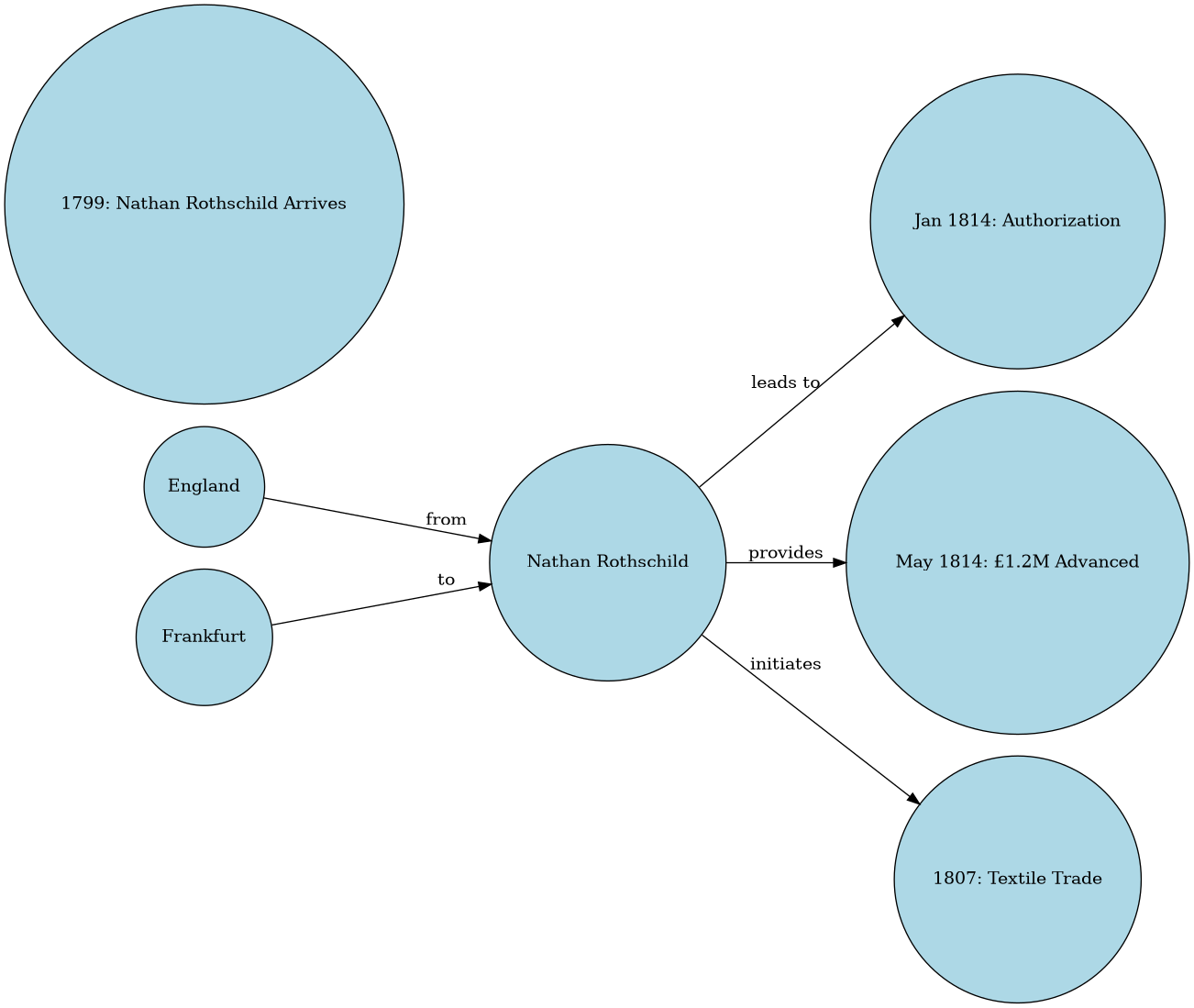
- 1799: Nathan Rothschild arrives in England from Frankfurt.
- 1807: Nathan starts purchasing textiles in the North of England and shipping them back to Germany.
- 1811: Nathan begins working in London as a banker.
- January 1814: The British Chancellor of the Exchequer authorizes John Charles Herries to use Nathan’s services to collect gold and silver coins from Europe.
- May 1814: Nathan has advanced nearly £1.2 million to the government, double the original amount.
Key Terms and Concepts
- Blockade: A naval restriction on trade between nations.
- Mercantilism: An economic system that emphasizes state control over foreign trade and resources.
- Bullion transfers: The process of moving large quantities of gold and silver coins from one location to another.
- Cross-Channel credit network: Nathan’s ability to use his connections in Europe to access credit and facilitate financial transactions.
Key Figures and Groups
- Nathan Rothschild: A Frankfurt-born merchant and financier who played a crucial role in collecting gold and silver coins for the British government.
- John Charles Herries: The Commissary-in-Chief authorized by the Chancellor of the Exchequer to use Nathan’s services.
- The British Government: The authority responsible for financing its military campaigns against Napoleon’s forces.
Mechanisms and Processes
→ Nathan, with his extensive network in Europe, was able to tap into the cross-Channel credit network, allowing him to access large sums of money quickly. → He then used this money to purchase gold and silver coins from European merchants. → The coins were transported to the Dutch port of Helvoetsluys, where they were delivered to British vessels bound for Wellington’s army.
Deep Background
The Rothschild family had been active in trade and finance since the 18th century. Nathan’s father, Moses Rothschild, was a successful merchant who traded in textiles and other commodities. Nathan inherited his father’s business acumen and expanded into banking and finance.
Explanation and Importance
Nathan’s success in collecting gold and silver coins for the British government marked a turning point in European history. His ability to manage large-scale bullion transfers earned him the trust of the British government, which would become a crucial factor in shaping European politics. The Rothschild family’s involvement in international finance also set the stage for their rise as major players in European politics.
Comparative Insight
Similar to Nathan’s experience, other financiers and merchants played important roles in supporting military campaigns during this period. For example, Salomon Mayer Rothschild, Nathan’s brother, helped finance the Austrian army during the Napoleonic Wars. However, Nathan’s success in collecting gold and silver coins for the British government marked a unique achievement that set him apart from his contemporaries.
Extended Analysis
- The Rise of International Finance: Nathan’s experience highlighted the growing importance of international finance in supporting military campaigns.
- The Role of Merchants in Warfare: Merchants like Nathan played a crucial role in financing and supplying armies during this period.
- The Rothschild Family’s Rise to Power: Nathan’s success marked the beginning of the Rothschild family’s rise as major players in European politics.
Open Thinking Questions
- What were the key factors that contributed to Nathan’s success in collecting gold and silver coins for the British government?
- How did Nathan’s experience reflect broader trends in international finance during this period?
- In what ways did Nathan’s role in supporting Wellington’s campaign shape European history?
Conclusion The Rothschild family’s involvement in international finance began with Nathan’s successful collection of gold and silver coins for the British government in 1814. This marked a turning point in European history, setting the stage for their rise as major players in European politics.