The Rise of the Medici: A Transfiguration of Finance
The Rise of the Medici: A Transfiguration of Finance
Overview
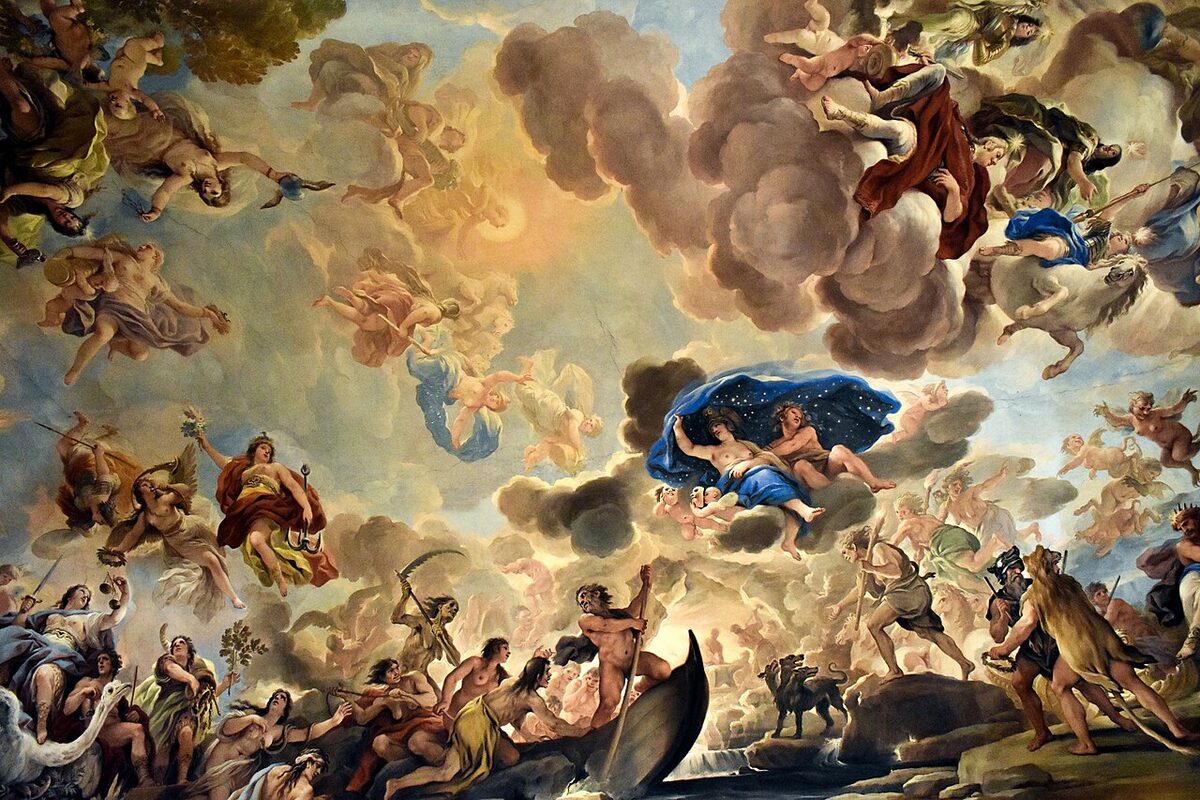
In 15th-century Florence, the Medici family underwent a profound transformation from being outcasts and usurers to becoming revered patrons of art and finance. The Adoration of the Magi by Sandro Botticelli is a testament to this transformation, depicting the Medici as divine figures. This study will explore the historical context that led to this shift in perception.
Context
By the mid-15th century, Florence was a thriving commercial hub with a complex system of banking and trade. The Merchant Guilds, powerful institutions that regulated commerce, dominated the city’s economy. However, the Medici family, who had made their fortune through money lending and usury, faced significant opposition from these guilds.
Timeline
- 1397: Cosimo de’ Medici, the founder of the Medici dynasty, returns to Florence after a period of exile.
- 1415: Cosimo is elected as the Pope’s banker, solidifying the family’s position in finance.
- 1444: The Medici family establishes the Bank of the Strozzi, which would become a major rival to their own bank.
- 1460s: Lorenzo de’ Medici, also known as Lorenzo the Magnificent, becomes the leader of the Medici family and begins to transform its image.
- 1475: The Guild of Bankers commissions Botticelli’s Adoration of the Magi.
- 1481: Lorenzo de’ Medici dies, marking a turning point in the family’s fortunes.
Key Terms and Concepts
- Usury: the practice of lending money at exorbitant interest rates
- Merchant Guilds: powerful institutions that regulated commerce in Florence
- Banking: the practice of providing financial services and managing wealth
- Patronage: the system of supporting artists and intellectuals in exchange for favors or loyalty
Key Figures and Groups
- Cosimo de’ Medici: founder of the Medici dynasty and Pope’s banker
- Lorenzo de’ Medici: leader of the Medici family and mastermind behind their transformation
- Medici Family: powerful banking and trading family in Florence
- Guild of Bankers: institution that regulated commerce and commissioned Botticelli’s Adoration of the Magi
Mechanisms and Processes
The Medici family’s rise to prominence was facilitated by a combination of factors:
- Cosimo de’ Medici’s strategic alliances with the Pope and other powerful figures
- Lorenzo de’ Medici’s patronage of artists and intellectuals, which helped to transform the family’s image
- The establishment of the Bank of the Strozzi as a major rival, forcing the Medici to adapt and innovate
- The Guild of Bankers’ recognition of the Medici’s importance in finance
Deep Background
The rise of the Medici family was part of a larger trend in 15th-century Europe, where powerful banking families emerged to dominate trade and commerce. This shift was driven by the growth of international trade and the need for complex financial systems.
Explanation and Importance
The transformation of the Medici family from outcasts to revered patrons of art and finance reflects a fundamental shift in the way that society viewed money and power. The Adoration of the Magi, with its depiction of the Medici as divine figures, captures this new reality. This study demonstrates the complex interplay between politics, economics, and culture that underpinned the rise of the Medici.
Comparative Insight
A similar transformation occurred in 16th-century Venice, where the Basilica di San Marco was commissioned by the powerful Foscari family, also bankers. This comparison highlights the global nature of this phenomenon and the role of banking families in shaping cultural institutions.
Extended Analysis
- The Power of Patronage: Lorenzo de’ Medici’s patronage of artists and intellectuals played a crucial role in transforming the family’s image.
- The Economics of Usury: The practice of usury was central to the Medici’s rise, but it also created tensions with other merchant guilds.
- The Politics of Banking: The establishment of rival banks like the Bank of the Strozzi forced the Medici to adapt and innovate.
Open Thinking Questions
- What role did Cosimo de’ Medici play in establishing the Medici dynasty?
- How did the Guild of Bankers’ recognition of the Medici’s importance in finance contribute to their rise?
- In what ways did Lorenzo de’ Medici’s patronage shape the cultural landscape of Florence?
Conclusion
The Adoration of the Magi by Sandro Botticelli is a testament to the transfiguration of finance that the Medici family achieved. From outcasts and usurers, they became revered patrons of art and finance, reflecting a fundamental shift in the way society viewed money and power.
Frequently asked questions
What is Rise of the Medici: A Transfiguration of Finance about?
In 15th-century Florence, the Medici family underwent a profound transformation from being outcasts and usurers to becoming revered patrons of art and finance. The Adoration of the Magi by Sandro Botticelli is a testament to this transformation, depicting the Medici as divine figures. This study will explore the historical context that led to this shift in perception.
What key events are covered?
1397: Cosimo de' Medici, the founder of the Medici dynasty, returns to Florence after a period of exile; 1415: Cosimo is elected as the Pope's banker, solidifying the family's position in finance; 1444: The Medici family establishes the Bank of the Strozzi, which would become a major rival to their own bank
Why is The Rise of the Medici: A Transfiguration of Finance important?
The transformation of the Medici family from outcasts to revered patrons of art and finance reflects a fundamental shift in the way that society viewed money and power. The Adoration of the Magi, with its depiction of the Medici as divine figures, captures this new reality. This study demonstrates the complex interplay between politics, economics, and culture that underpinned the rise of the Medici.