The Rise and Fall of John Law: A Study in Paper Currency
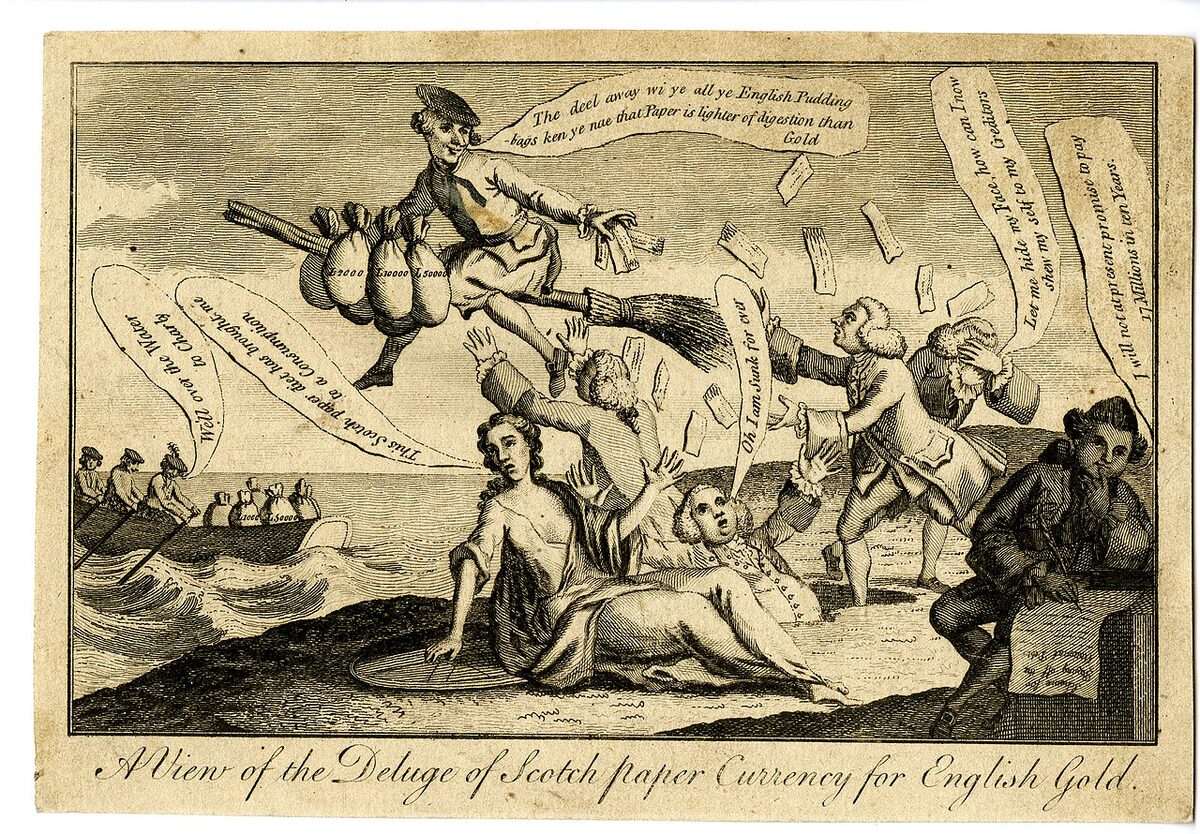
The Rise and Fall of John Law: A Study in Paper Currency
Overview
John Law was an 18th-century economist who attempted to revolutionize the concept of currency with his innovative ideas on paper money. His proposals for a new bank and interest-bearing notes sparked controversy, rejection, and ultimately led to his downfall. Paper currency, confidence, and public credit are key terms in understanding Law’s vision.
Context
During the early 18th century, Europe was plagued by economic instability, inflation, and wars. The traditional gold and silver standard for currency was under strain, leading many to seek alternative solutions. Institutions such as the Bank of England, established in 1694, were expanding their services, while new markets emerged in cities like London and Paris.
Timeline
- 1688: John Law is born in Edinburgh, Scotland.
- 1705: He proposes a new bank with interest-bearing notes to the Scottish parliament.
- 1711: Law travels to Turin and presents his ideas to Victor Amadeus II, Duke of Savoy.
- 1713: The Mississippi Company is established, with Law as its primary shareholder.
- 1717: Law introduces his paper currency system in France, under the Banque Générale.
- 1720: The French economy collapses due to speculation and over-issuance of paper notes.
Key Terms and Concepts
- Paper currency: A financial system where banknotes or government-backed papers replace traditional coins as a medium of exchange.
- Confidence: The trust and faith that people have in the value of a particular asset, such as a banknote.
- Public credit: The ability of a nation to borrow money from its citizens and maintain a stable economy.
- Monetary policy: The actions taken by governments or central banks to control inflation, interest rates, and currency supply.
Key Figures and Groups
- John Law: An 18th-century economist who proposed the use of paper currency and established the Mississippi Company.
- Victor Amadeus II: Duke of Savoy who rejected Law’s proposal for a paper currency in Turin.
- The Earl of Islay: A Scottish nobleman who partnered with Law on the London stock market.
Mechanisms and Processes
→ John Law proposes a new bank to issue interest-bearing notes → The Scottish parliament rejects his proposal → Law travels to Turin, presenting his ideas to Victor Amadeus II → The Duke demurs, but Law continues to advocate for paper currency → In 1717, Law introduces the Banque Générale in France.
Deep Background
The goldsmith-banker syndrome, where goldsmiths and bankers lent out more money than they had in reserve, was a common phenomenon during this period. This led to inflation and economic instability. The need for an alternative system drove the development of paper currency.
Explanation and Importance
Law’s vision for paper currency was revolutionary but ultimately flawed. His ideas on confidence and public credit were pioneering, but his inability to regulate the system led to catastrophic consequences. The South Sea Company, founded in 1711, had a similar fate, leading to the collapse of the British economy.
Comparative Insight
Similar concepts can be seen in the development of the Federal Reserve System in the United States during the late 19th century. Like Law’s ideas, it aimed to regulate the money supply and stabilize the economy through paper currency and public credit.
Extended Analysis
- The Role of Speculation: The collapse of the French economy can be attributed to speculation and over-issuance of paper notes.
- The Impact on Social Classes: Law’s system disproportionately affected the working class, who saw their savings devalued by inflation.
- Economic Consequences: The crash led to widespread poverty, unemployment, and social unrest.
Open Thinking Questions
- What are the potential benefits and drawbacks of introducing a paper currency system?
- How can governments regulate the money supply to prevent economic instability?
- In what ways do historical events like the Mississippi Bubble inform modern monetary policy?
Conclusion
The rise and fall of John Law serve as a cautionary tale about the dangers of unregulated capitalism and the importance of responsible financial management. His innovative ideas on paper currency, while flawed, paved the way for future developments in monetary policy.
Frequently asked questions
What is Rise and Fall of John Law: A Study in Paper Currency about?
John Law was an 18th-century economist who attempted to revolutionize the concept of currency with his innovative ideas on paper money. His proposals for a new bank and interest-bearing notes sparked controversy, rejection, and ultimately led to his downfall. Paper currency, confidence, and public credit are key terms in understanding Law's vision.
What key events are covered?
1688: John Law is born in Edinburgh, Scotland; 1705: He proposes a new bank with interest-bearing notes to the Scottish parliament; 1711: Law travels to Turin and presents his ideas to Victor Amadeus II, Duke of Savoy
Why is The Rise and Fall of John Law: A Study in Paper Currency important?
Law's vision for paper currency was revolutionary but ultimately flawed. His ideas on confidence and public credit were pioneering, but his inability to regulate the system led to catastrophic consequences. The South Sea Company, founded in 1711, had a similar fate, leading to the collapse of the British economy.