The Property Market: A Historical Analysis
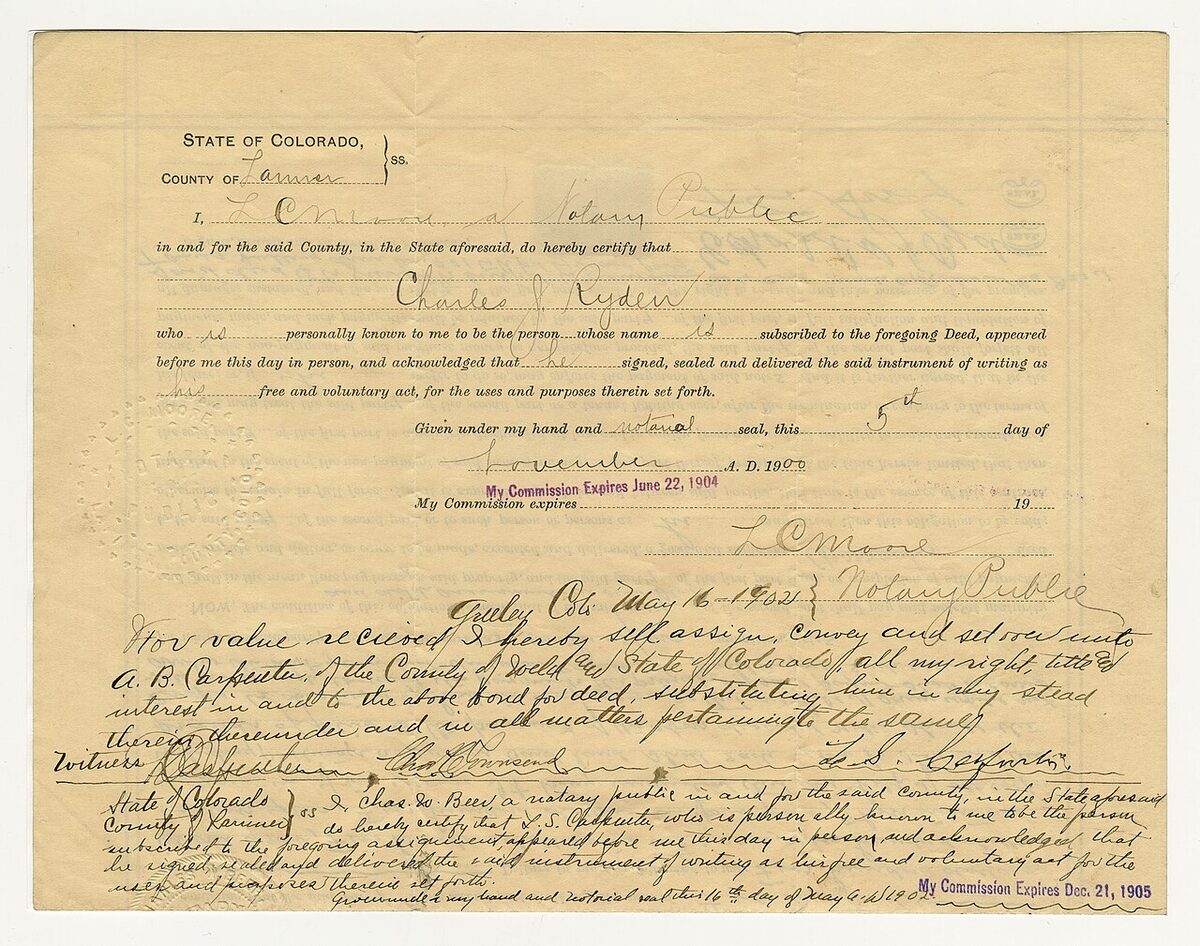
The Property Market: A Historical Analysis
Overview
The real estate market has been an integral part of the English-speaking world’s economic landscape for centuries. Its unique characteristics have made it a favorite among investors, policymakers, and everyday individuals alike. This analysis will explore the historical context, key terms, and mechanisms that have shaped the property market into what it is today.
Context
The real estate market has its roots in feudalism, where land ownership was tied to social status and power. As societies transitioned from feudalism to capitalism, the concept of private property emerged, allowing individuals to own and sell land for profit. The Industrial Revolution further transformed the market by creating new forms of urbanization and mass migration.
Timeline
- 1066: The Norman Conquest introduces feudalism to England, establishing a system where land ownership is tied to social status.
- 1215: The Magna Carta establishes the principle that all free men have the right to own property.
- 1660s: The enclosure movement begins in England, leading to the consolidation of smallholdings into larger estates.
- 1832: The Reform Act introduces parliamentary reform and expands voting rights, influencing property ownership and taxation.
- 1851: The Great Exhibition of London showcases urbanization and industrialization, highlighting the need for housing and infrastructure development.
- 1914-1918: World War I leads to a surge in government intervention in the economy, including the introduction of rent control.
- 1945-1979: Post-war reconstruction efforts prioritize public housing and social welfare programs.
- 1980s: The rise of neoliberalism promotes deregulation and privatization, leading to increased private investment in real estate.
Key Terms and Concepts
- Feudalism: A system where land ownership is tied to social status and power.
- Private Property: The concept that individuals have the right to own and sell land for profit.
- Enclosure Movement: The process of consolidating smallholdings into larger estates, leading to increased productivity but also displacement of small farmers.
- Urbanization: The movement of people from rural areas to cities in search of work and better living conditions.
- Mass Migration: Large-scale movements of people within or between countries, driven by economic, social, or political factors.
- Rent Control: Government regulations limiting the amount landlords can charge for rent.
- Public Housing: Government-provided housing for low-income families or individuals.
Key Figures and Groups
- William the Conqueror: Introduced feudalism to England after the Norman Conquest.
- John Locke: Argued that private property is a fundamental human right in his work “Two Treatises of Government”.
- Karl Marx: Critiqued capitalism’s treatment of labor and ownership, advocating for collective ownership and control.
- The English Landowners: A powerful group that influenced government policy and protected their interests through the enclosure movement.
Mechanisms and Processes
→ The feudal system → Private property emerges → Enclosure movement leads to increased productivity but also displacement → Urbanization and mass migration create demand for housing → Government intervention in rent control and public housing development → Neoliberal policies promote deregulation and privatization → Increased private investment in real estate
Deep Background
The concept of land ownership has its roots in ancient civilizations, where rulers controlled the means of production. As societies developed, so did the complexity of property rights. The feudal system, for example, was influenced by the Frankish Empire’s concept of allodium, or absolute ownership. In contrast, the commons movement in medieval England advocated for collective ownership and control.
Explanation and Importance
The property market has evolved over time due to a combination of social, economic, and political factors. The enclosure movement, for instance, led to increased productivity but also displacement of small farmers. Government intervention in rent control and public housing development aimed to address issues of affordability and access. The rise of neoliberalism promoted deregulation and privatization, leading to increased private investment in real estate.
Comparative Insight
The English property market can be compared with other developed economies, such as the United States or Australia. While similar trends have emerged, differences in government policies, cultural attitudes towards ownership, and economic systems have shaped each country’s unique market characteristics.
Extended Analysis
- Sub-theme 1: The Role of Government Intervention The history of government intervention in the property market reveals a complex interplay between regulation and deregulation. Understanding these mechanisms is crucial for policymakers seeking to balance competing interests.
- Sub-theme 2: The Impact of Urbanization and Mass Migration As cities grew, so did demand for housing. Governments responded with policies aimed at addressing affordability and access. Analyzing these responses provides valuable insights into the interplay between economics, politics, and social welfare.
- Sub-theme 3: The Influence of Ideology on Policy
Open Thinking Questions
- How do cultural attitudes towards ownership influence government policy and individual behavior in the property market?
- What are the implications of increased private investment in real estate for affordability and access to housing?
- How can policymakers balance competing interests between landlords, tenants, and developers?
Conclusion
The property market has evolved over centuries, shaped by a complex interplay of social, economic, and political factors. Understanding these mechanisms is essential for policymakers seeking to address issues of affordability, access, and inequality in the housing market.
Frequently asked questions
What is Property Market: A Historical Analysis about?
The real estate market has been an integral part of the English-speaking world's economic landscape for centuries. Its unique characteristics have made it a favorite among investors, policymakers, and everyday individuals alike. This analysis will explore the historical context, key terms, and mechanisms that have shaped the property market into what it is today.
What key events are covered?
1066: The Norman Conquest introduces feudalism to England, establishing a system where land ownership is tied to social status; 1215: The Magna Carta establishes the principle that all free men have the right to own property; 1660s: The enclosure movement begins in England, leading to the consolidation of smallholdings into larger estates
Why is The Property Market: A Historical Analysis important?
The property market has evolved over time due to a combination of social, economic, and political factors. The enclosure movement, for instance, led to increased productivity but also displacement of small farmers. Government intervention in rent control and public housing development aimed to address issues of affordability and access. The rise of neoliberalism promoted deregulation and privatization, leading to increased private investment in real estate.