The Primal Economy: A Study of Hunter-Gatherer Societies
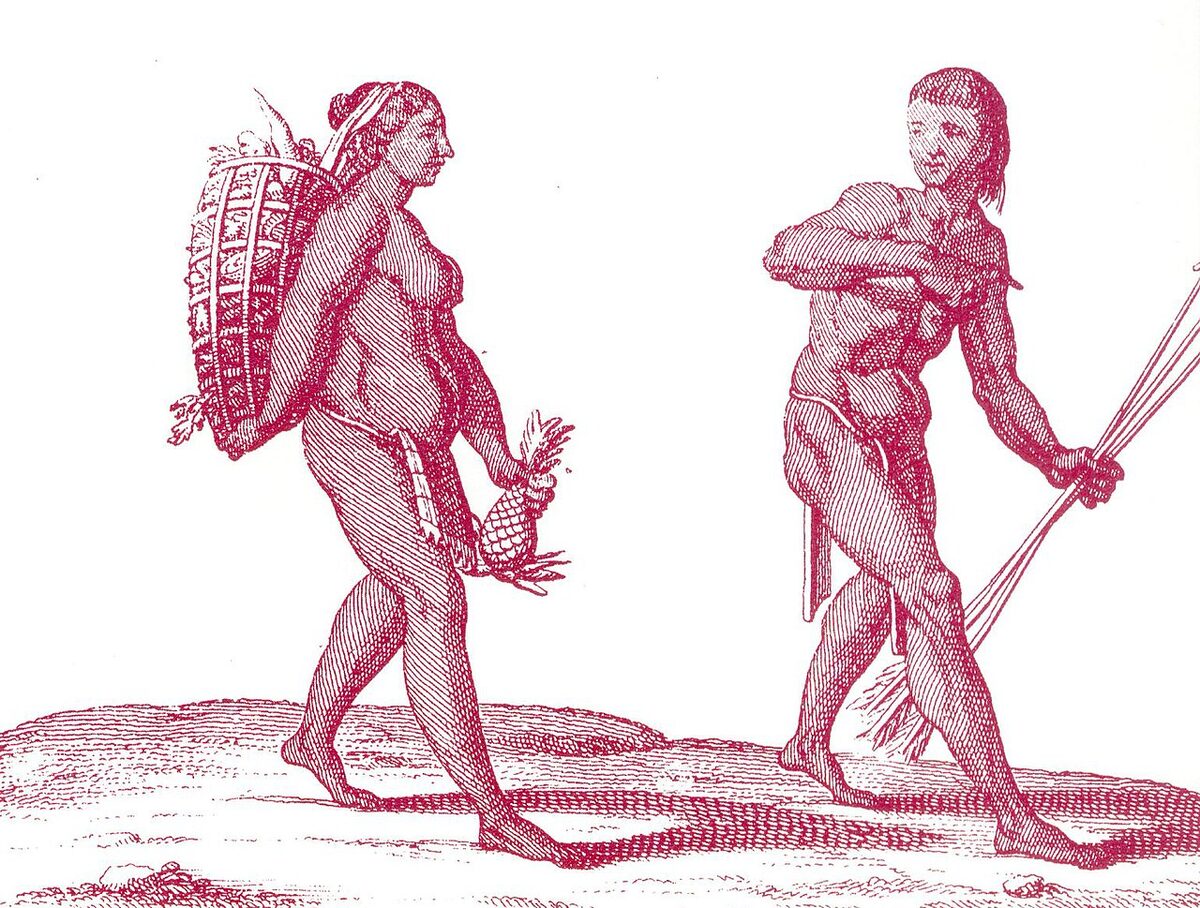
The Primal Economy: A Study of Hunter-Gatherer Societies
Overview
Hunter-gatherer societies have long fascinated anthropologists and historians due to their unique economic systems and social structures. These societies, which existed before the advent of agriculture and settled economies, were characterized by a “take-make-consume” approach to resource management. In this study, we will explore the life of hunter-gatherers, examining their economic practices, social dynamics, and interactions with other groups.
Context
The emergence of hunter-gatherer societies dates back to the Paleolithic era, around 2.5 million years ago. During this period, early humans developed tools and technologies that enabled them to hunt and gather food in a variety of environments. As populations grew and competition for resources increased, these societies developed complex social structures and economic systems.
Timeline
- 2.5 million years ago: Emergence of hunter-gatherer societies during the Paleolithic era
- 10,000 BCE: Development of more sophisticated tools and technologies among early human populations
- 5000 BCE: Appearance of settled agriculture in some regions, leading to the emergence of complex societies
- 1500 CE: European colonization of many parts of the world, leading to the decline of hunter-gatherer societies
Key Terms and Concepts
- Hunter-Gatherer: A type of society that relies on hunting and gathering for food production
- Take-Make-Consume: The economic approach used by hunter-gatherers, where resources are taken from the environment, made into tools or other products, and consumed immediately
- Scarcity: The condition of having limited access to resources, which drives competition among hunter-gatherer groups
- Resource Competition: The struggle for access to food, water, shelter, and other essential resources
- Food Sharing: A practice where individuals share food with others in the community, often as a way of strengthening social bonds
Key Figures and Groups
- The Jivaro: A hunter-gatherer tribe from Ecuador known for their high rates of violence and conflict with neighboring groups
- The Yanomamo: A Brazilian hunter-gatherer tribe that has been studied extensively by anthropologists, including Napoleon Chagnon
- Thomas Hobbes: An English philosopher who described the state of nature as “solitary, poor, nasty, brutish, and short”
- Early Human Populations: The groups of humans that lived during the Paleolithic era, characterized by their use of tools and technologies
Mechanisms and Processes
The life cycle of hunter-gatherer societies can be broken down into several key stages:
- Resource discovery -> Gathering of food and resources
- Food preparation -> Preparation of gathered resources for consumption
- Consumption -> Immediate consumption of gathered resources
- Scarcity recognition -> Recognition of limited access to resources, leading to competition among groups
Deep Background
The development of hunter-gatherer societies was influenced by a variety of factors, including climate change, population growth, and technological innovation. During the Paleolithic era, early humans developed tools and technologies that enabled them to hunt and gather food in a variety of environments.
Explanation and Importance
Hunter-gatherer societies played a crucial role in human evolution and development. Their economic practices and social structures were shaped by the need to adapt to changing environmental conditions and resource availability. The study of hunter-gatherer societies provides valuable insights into the lives of early humans and the origins of modern economies.
Comparative Insight
In comparison to agricultural societies, hunter-gatherer societies were characterized by a more flexible and adaptable economic system. However, they also faced unique challenges related to scarcity and competition for resources. A comparative analysis of these two types of societies can provide valuable insights into the evolution of human economies.
Extended Analysis
- The Impact of Scarcity: The condition of having limited access to resources had a profound impact on hunter-gatherer societies, driving competition among groups and shaping their economic practices.
- Food Sharing as Social Bonding: Food sharing was an important practice among hunter-gatherer groups, serving to strengthen social bonds and promote cooperation within the community.
- The Role of Technology: The development of tools and technologies played a crucial role in enabling early humans to hunt and gather food in a variety of environments.
Open Thinking Questions
- What are the implications of the “take-make-consume” approach for modern economies?
- How do hunter-gatherer societies compare to agricultural societies in terms of economic practices and social structures?
- In what ways did the emergence of agriculture impact the lives of early humans?
Conclusion
Hunter-gatherer societies played a significant role in human evolution and development. Their economic practices and social structures were shaped by the need to adapt to changing environmental conditions and resource availability. The study of these societies provides valuable insights into the origins of modern economies and the challenges faced by early humans.
Frequently asked questions
What is Primal Economy: A Study of Hunter-Gatherer Societies about?
Hunter-gatherer societies have long fascinated anthropologists and historians due to their unique economic systems and social structures. These societies, which existed before the advent of agriculture and settled economies, were characterized by a "take-make-consume" approach to resource management. In this study, we will explore the life of hunter-gatherers, examining their economic practices, social dynamics, and interactions with other groups.
What key events are covered?
2.5 million years ago: Emergence of hunter-gatherer societies during the Paleolithic era; 10,000 BCE: Development of more sophisticated tools and technologies among early human populations; 5000 BCE: Appearance of settled agriculture in some regions, leading to the emergence of complex societies
Why is The Primal Economy: A Study of Hunter-Gatherer Societies important?
Hunter-gatherer societies played a crucial role in human evolution and development. Their economic practices and social structures were shaped by the need to adapt to changing environmental conditions and resource availability. The study of hunter-gatherer societies provides valuable insights into the lives of early humans and the origins of modern economies.
Related posts
- The Racial Hierarchy: A Historical Analysis
- The Encounter between the Nukak-Makú and Modern Society
- The Origins of Money: A Historical Exploration
- The Complex Origins of World War I: Understanding the Interplay of Imperialism, Diplomacy, and Globalization
- The Buckingham Empire: A Study in Aristocratic Excess