The Microfinance Revolution: A Study of Muhammad Yunus and the Grameen Bank
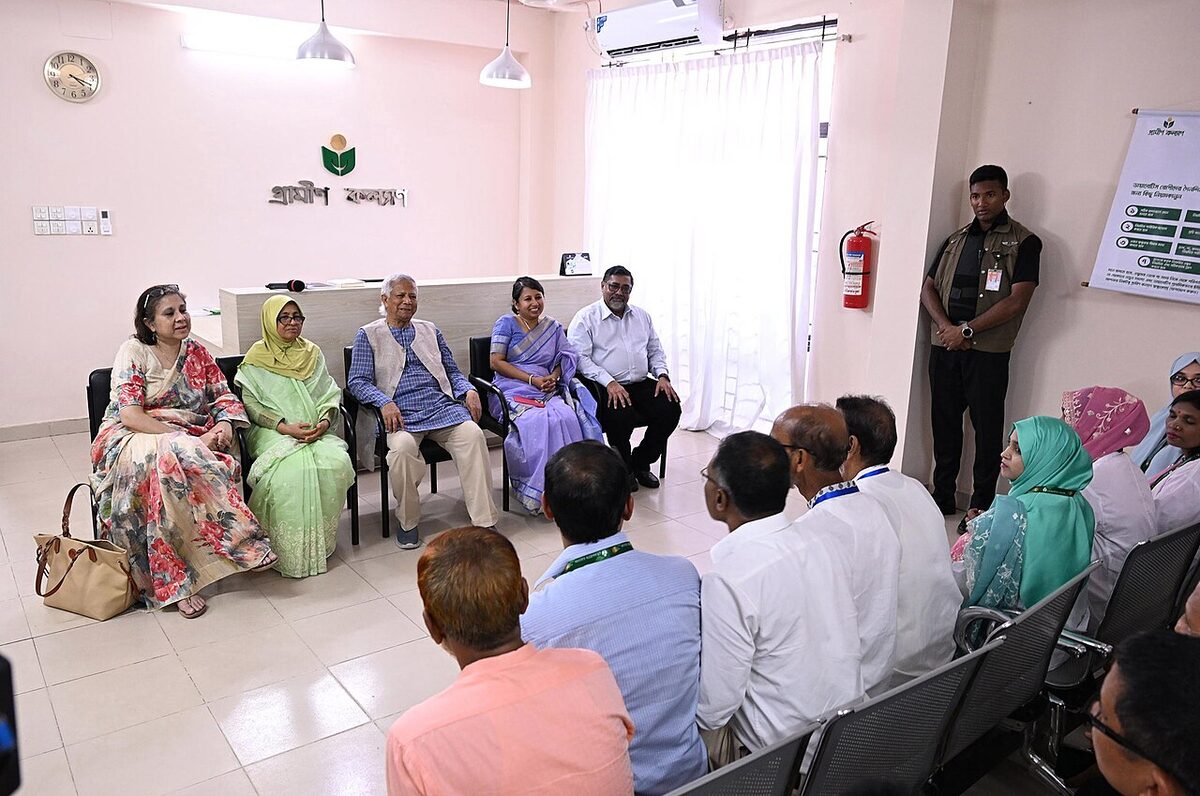
The Microfinance Revolution: A Study of Muhammad Yunus and the Grameen Bank
Overview
In 1983, Muhammad Yunus, a Bangladeshi economist, founded the Grameen Bank in Jobra village. This institution pioneered the microfinance movement by providing small loans to rural women with no collateral, empowering them to start businesses and improve their lives. The bank’s success led to a global phenomenon, with numerous imitators and spin-offs, including Pro Mujer in South America.
Context
In the late 20th century, Bangladesh was one of the poorest countries in the world, with widespread poverty, particularly among rural women. Traditional banking systems excluded these individuals due to lack of collateral or credit history. The government and aid agencies recognized the need for innovative financial solutions to address this issue. Muhammad Yunus’s vision for microfinance was influenced by his experiences studying rural poverty in Bangladesh.
Timeline
- 1976: Muhammad Yunus starts working with Bangladeshi villagers, gaining insights into their economic struggles.
- 1983: The Grameen Bank is founded in Jobra village, initially with a loan of $27 from the Bangladesh government.
- 1984: The bank begins lending to women without collateral, using group liability (koota) as a measure of creditworthiness.
- 1990: Pro Mujer is established in South America by Lynne Patterson and Carmen Velasco, emulating Grameen Bank’s model.
- 2007: Grameen Bank becomes entirely self-reliant and profitable, with deposits exceeding $650 billion.
Key Terms and Concepts
- Microfinance: A financial service that provides small loans to individuals or groups who lack access to traditional banking systems.
- Collateral: An asset pledged as security for a loan; in microfinance, collateral is often not required due to group liability.
- Koota (group): A collective of five members responsible for loan repayments and ensuring the borrower’s creditworthiness.
- Microbusiness: Small-scale businesses started by individuals or groups with limited capital, often using loans from microfinance institutions.
Key Figures and Groups
- Muhammad Yunus: Nobel Prize winner and founder of Grameen Bank. His vision for microfinance revolutionized banking and empowered rural women worldwide.
- Lynne Patterson and Carmen Velasco: Co-founders of Pro Mujer, a successful microfinance institution in South America that emulated the Grameen Bank model.
Mechanisms and Processes
- Loan disbursement: Microfinance institutions like Grameen Bank provide loans to borrowers with no collateral.
- Group liability: Borrowers are grouped into kootas, which share responsibility for loan repayments.
- Weekly meetings: Koota members meet regularly to discuss loan repayment progress and address any issues.
Deep Background
- The concept of microfinance was influenced by the work of economists like John Hicks, who advocated for social responsibility in economic development.
- The Grameen Bank’s model was also inspired by traditional Bangladeshi financial systems, such as the Arthi (moneylender) system.
Explanation and Importance
The microfinance movement has empowered millions of women worldwide to start businesses and improve their lives. Grameen Bank’s success demonstrates that small loans can have a significant impact on poverty reduction. The bank’s use of group liability and koota system ensured repayment rates were high, making it self-sustaining.
Comparative Insight
While the microfinance movement has been successful in many regions, its effectiveness varies depending on local contexts and institutional frameworks. In some countries, like India, the success of microfinance institutions was hindered by inadequate regulation and excessive interest rates.
Extended Analysis
- The Role of Group Liability: The koota system’s impact on loan repayment rates highlights the importance of social networks in ensuring creditworthiness.
- Empowerment through Microfinance: Women who receive loans from microfinance institutions often experience significant improvements in their economic status and decision-making power within their households.
Open Thinking Questions
- What are the potential risks and challenges associated with expanding microfinance services to new regions?
- How can microfinance institutions balance social goals (e.g., poverty reduction) with financial sustainability?
Conclusion
The microfinance movement, spearheaded by Muhammad Yunus and Grameen Bank, has revolutionized access to financial services for millions of people worldwide. Its success serves as a testament to the power of innovative solutions in addressing complex development challenges.
Frequently asked questions
What is Microfinance Revolution: A Study of Muhammad Yunus and the Grameen Bank about?
In 1983, Muhammad Yunus, a Bangladeshi economist, founded the Grameen Bank in Jobra village. This institution pioneered the microfinance movement by providing small loans to rural women with no collateral, empowering them to start businesses and improve their lives. The bank's success led to a global phenomenon, with numerous imitators and spin-offs, including Pro Mujer in South America.
What key events are covered?
1976: Muhammad Yunus starts working with Bangladeshi villagers, gaining insights into their economic struggles; 1983: The Grameen Bank is founded in Jobra village, initially with a loan of $27 from the Bangladesh government; 1984: The bank begins lending to women without collateral, using group liability (koota) as a measure of creditworthiness
Why is The Microfinance Revolution: A Study of Muhammad Yunus and the Grameen Bank important?
The microfinance movement has empowered millions of women worldwide to start businesses and improve their lives. Grameen Bank's success demonstrates that small loans can have a significant impact on poverty reduction. The bank's use of group liability and koota system ensured repayment rates were high, making it self-sustaining.