The Intersection of Climate Change and Natural Disasters: Understanding the Complexities
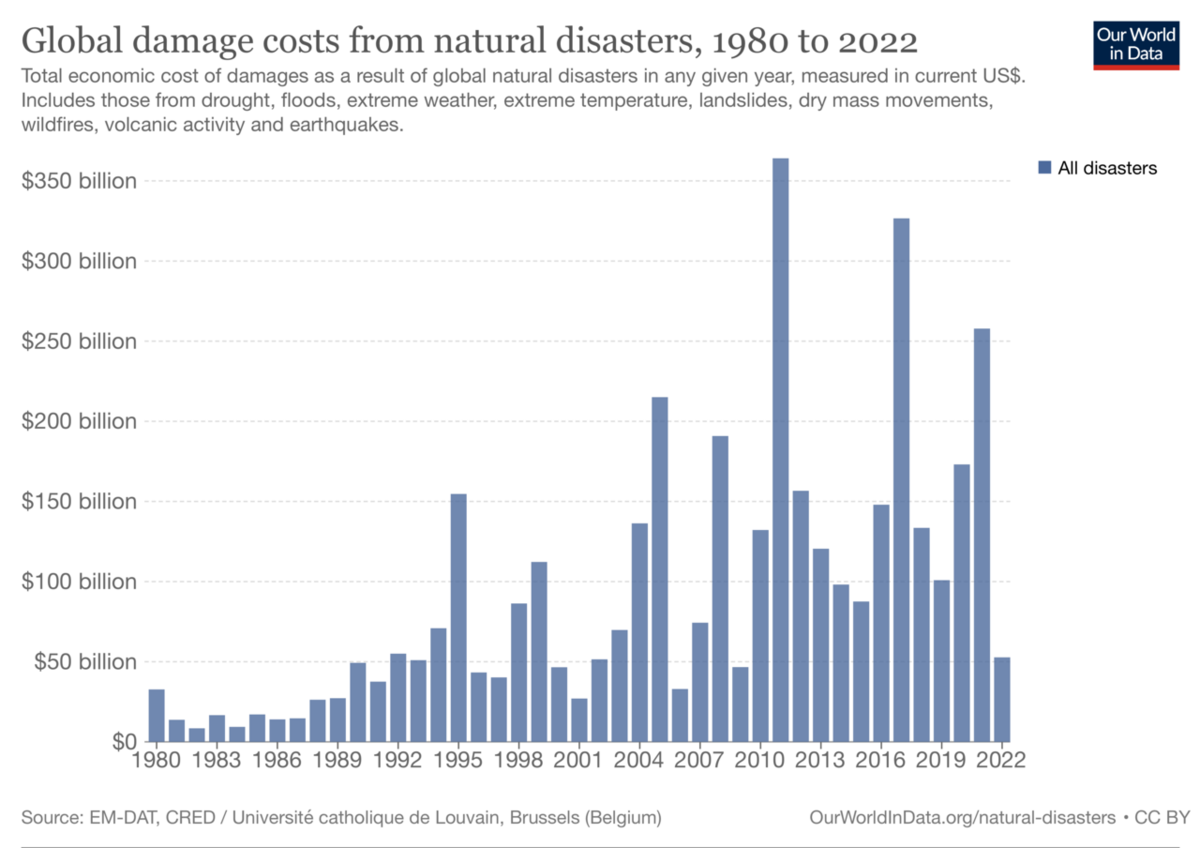
The Intersection of Climate Change and Natural Disasters: Understanding the Complexities
Overview
The relationship between global warming, natural disasters, and human societies is a complex one. As climate change alters weather patterns, it also increases the frequency and severity of extreme events such as hurricanes, floods, and droughts. This shift has significant implications for governments, insurers, and individuals living in vulnerable areas.
Context
In recent decades, the world has experienced an uptick in natural disasters, with many attributing this trend to human-induced climate change. The Intergovernmental Panel on Climate Change (IPCC) has warned that global warming is leading to more frequent and intense heavy precipitation events, as well as an increase in tropical cyclone activity.
Timeline
- 1970: Observational evidence suggests an increase in intense tropical cyclone activity in the North Atlantic.
- 1980s-1990s: Global temperatures begin to rise, leading to more frequent and severe weather events.
- 2005: Hurricane Katrina devastates the Gulf Coast of the United States, causing widespread flooding and damage.
- 2011: The IPCC releases its Fifth Assessment Report, highlighting the link between climate change and increased natural disaster risk.
- Present day: Governments and insurers face growing pressure to address the financial implications of rising natural disasters.
Key Terms and Concepts
- Global Warming: The gradual increase in Earth’s average surface temperature due to human activities, such as burning fossil fuels and deforestation.
- Climate Change: A broader term referring to the long-term alterations in weather patterns, including changes in precipitation, temperature, and extreme events.
- Natural Disasters: Catastrophic events caused by natural factors, such as hurricanes, floods, earthquakes, and droughts.
- Insurance: Financial protection against losses due to unexpected events, often provided through private insurance companies.
- Reinsurance: Insurance that covers insurers themselves in case of unusually large losses.
- Federal Reinsurance Programme: A proposed mechanism for governments to provide financial support to insurers during mega-catastrophes.
Key Figures and Groups
- IPCC (Intergovernmental Panel on Climate Change): An international body comprising scientists, policymakers, and experts that assess climate change research and recommend policy actions.
- Al Gore: Former US Vice President who has been a vocal advocate for climate action and author of the book An Inconvenient Truth.
- Private Insurers: Companies providing insurance coverage to individuals and businesses against natural disasters.
- Taxpayers: Individuals contributing to government revenue through taxes, often footing the bill for disaster relief efforts.
Mechanisms and Processes
- Global warming -> increased frequency and severity of extreme weather events
- Increased natural disasters -> growing pressure on governments and insurers
- Governments provide emergency funding for disaster relief and reconstruction
- Insurers face rising costs due to increased disaster risk
Deep Background
The relationship between climate change, natural disasters, and human societies is shaped by long-term trends and systems. Urbanization, the process of people moving from rural areas to cities, has led to increased exposure to extreme weather events. At the same time, global economic growth has fueled the expansion of infrastructure and development in vulnerable regions.
Explanation and Importance
The intersection of climate change and natural disasters poses significant challenges for governments, insurers, and individuals. As global warming continues to alter weather patterns, it is essential to understand the complex relationships between these factors and develop effective strategies for mitigating their impacts.
Comparative Insight
While the relationship between climate change and natural disasters is distinct in different regions, many parallels can be drawn with other periods of history. For example, during the Little Ice Age, which occurred from approximately 1550 to 1850, European societies faced increased vulnerability to extreme weather events due to changing climate conditions.
Extended Analysis
- The Role of Government: Governments play a critical role in addressing the financial implications of rising natural disasters. Federal reinsurance programmes can provide much-needed support to insurers during mega-catastrophes.
- Insurance and Risk Management: Insurers must adapt to increasing disaster risk by developing more sophisticated risk management strategies, including differential premium charging for high-risk areas.
- Individual Responsibility: Individuals living in vulnerable regions must also take steps to mitigate their exposure to natural disasters, such as investing in flood-resistant construction or purchasing insurance policies.
Open Thinking Questions
- How can governments balance the need to provide disaster relief with the financial implications of increasing natural disaster risk?
- What role should private insurers play in addressing climate-related disaster risk, and how can they adapt to changing weather patterns?
- How can individuals living in vulnerable regions take steps to mitigate their exposure to natural disasters?
Conclusion
The intersection of climate change and natural disasters represents a pressing challenge for human societies. Understanding the complex relationships between these factors is essential for developing effective strategies for mitigating their impacts. By examining this issue through a multidisciplinary lens, we can better comprehend the interplay between climate change, natural disasters, and human activities.
Frequently asked questions
What is Intersection of Climate Change and Natural Disasters: Understanding the Complexities about?
The relationship between global warming, natural disasters, and human societies is a complex one. As climate change alters weather patterns, it also increases the frequency and severity of extreme events such as hurricanes, floods, and droughts. This shift has significant implications for governments, insurers, and individuals living in vulnerable areas.
What key events are covered?
1970: Observational evidence suggests an increase in intense tropical cyclone activity in the North Atlantic; 1980s-1990s: Global temperatures begin to rise, leading to more frequent and severe weather events; 2005: Hurricane Katrina devastates the Gulf Coast of the United States, causing widespread flooding and damage
Why is The Intersection of Climate Change and Natural Disasters: Understanding the Complexities important?
The intersection of climate change and natural disasters poses significant challenges for governments, insurers, and individuals. As global warming continues to alter weather patterns, it is essential to understand the complex relationships between these factors and develop effective strategies for mitigating their impacts.
Related posts
- The Hurricane Katrina Disaster: A Critical Examination
- The Probability of Disaster
- Hurricane Insurance and the Limits of Private Sector Involvement
- The Challenge of Uncertainty: Understanding the Role of the State and Individual Response
- The Hidden Wealth of Shanty Towns: Unpacking the Concept of Informal Property