The German Hyperinflation: A Study of State Bankruptcy and Economic Crisis
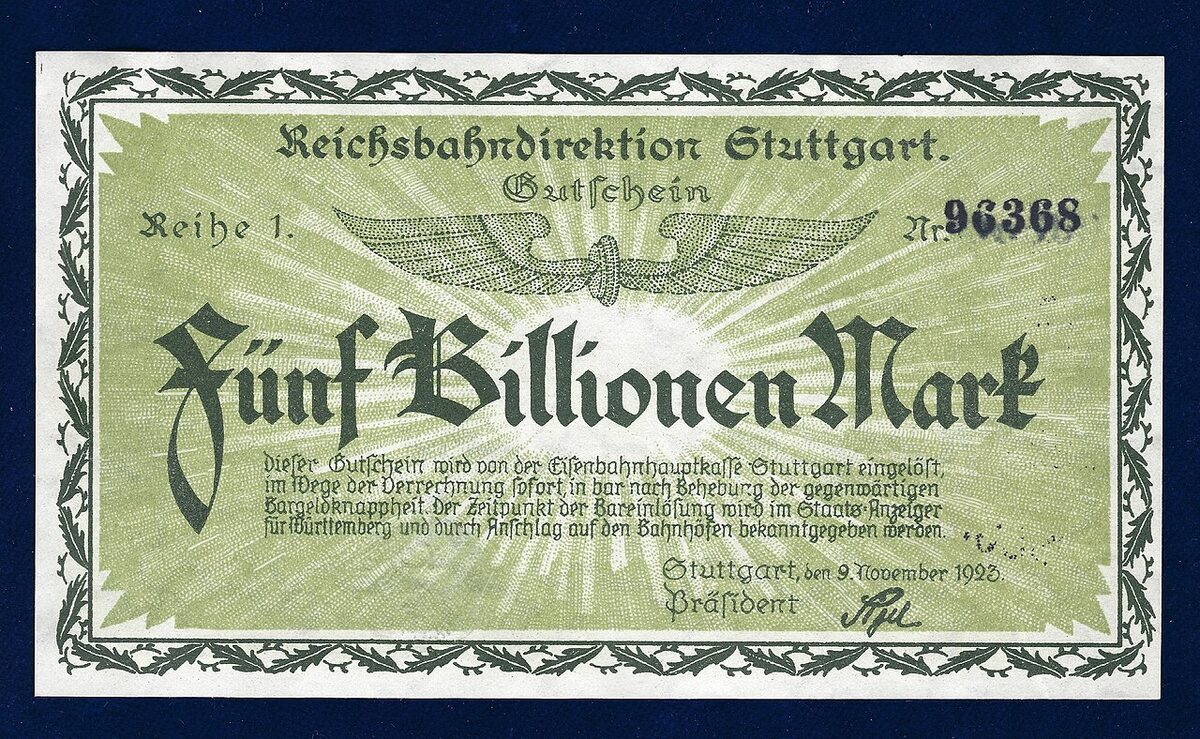
The German Hyperinflation: A Study of State Bankruptcy and Economic Crisis
Overview
In the aftermath of World War I, Germany faced a severe economic crisis in the form of hyperinflation. This phenomenon was not solely caused by the loss of war but also by the country’s debt obligations and the consequences of defeat on its economy. The concept of state bankruptcy will be explored as a key factor in understanding this crisis.
Context
The post-World War I era saw Germany struggling to come to terms with its new status as a defeated nation. The Treaty of Versailles imposed harsh reparations on the country, which led to an enormous external debt and significant economic strain. The Weimar Republic, established after the war, faced numerous challenges in managing its economy, including high inflation rates and a lack of foreign investment.
Timeline
- 1918: Armistice signed, marking Germany’s defeat in World War I
- November 1918-January 1919: Revolutionary events led to the establishment of the Weimar Republic
- 1921: Treaty of Versailles reparations liability imposed on Germany
- 1921-1922: Scheduled reparations payments account for over a third of Reich expenditure
Key Terms and Concepts
- Hyperinflation: An extreme and accelerating inflation rate that erodes the purchasing power of currency.
- State Bankruptcy: A situation where a government’s financial obligations exceed its ability to pay, leading to default on debt and other financial commitments.
- Reparations: Payments made by a defeated nation to compensate for losses suffered during war.
- Weimar Republic: The German government established after World War I, responsible for managing the country’s economy and politics.
Key Figures and Groups
- Wilhelm Cuno: Chancellor of Germany from 1922-1923, who struggled to manage the country’s economic crisis.
- Hjalmar Schacht: Economist and banker who played a key role in developing Germany’s economic policies during the Weimar Republic.
- The German People: Impacted by the consequences of defeat, debt obligations, and hyperinflation.
Mechanisms and Processes
Reparations liability → Scheduled payments account for over a third of Reich expenditure → Hyperinflation accelerates → Decreased purchasing power of currency → Reduced investor confidence
Deep Background
Germany’s economy had been heavily dependent on foreign investment before the war. The loss of war led to a significant decline in this investment, as investors became wary of lending to a defeated nation. The Treaty of Versailles further exacerbated this issue by imposing harsh reparations and limiting Germany’s economic sovereignty.
Explanation and Importance
The German hyperinflation was a direct consequence of the country’s state bankruptcy and the weight of its debt obligations. The loss of war, combined with the subsequent defeat and revolution, created an environment where investors were reluctant to lend to Germany. This lack of foreign investment, coupled with the enormous reparations liability, led to a severe economic crisis.
Comparative Insight
Similar economic crises occurred in other countries after World War I, such as Austria-Hungary and Russia. However, Germany’s situation was unique due to its size, industrial capacity, and role in the global economy.
Extended Analysis
- The Role of Reparations: The reparations imposed on Germany by the Treaty of Versailles were a significant factor contributing to the country’s economic crisis.
- Hyperinflation as a Catalyst for Change: The extreme inflation rates experienced during this period led to widespread poverty, unemployment, and social unrest.
- The Impact on German Society: The consequences of hyperinflation had far-reaching effects on German society, including decreased living standards, increased poverty, and reduced social cohesion.
Open Thinking Questions
- How did the German government’s policies contribute to the country’s economic crisis?
- What role did foreign investment play in exacerbating Germany’s economic situation?
- In what ways did the hyperinflation period shape the course of modern German history?
Conclusion
The German hyperinflation was a critical moment in the country’s post-World War I history, marked by severe economic strain and state bankruptcy. Understanding this phenomenon requires examining the complex interplay between defeat, debt obligations, and investor confidence.
Frequently asked questions
What is German Hyperinflation: A Study of State Bankruptcy and Economic Crisis about?
In the aftermath of World War I, Germany faced a severe economic crisis in the form of hyperinflation. This phenomenon was not solely caused by the loss of war but also by the country's debt obligations and the consequences of defeat on its economy. The concept of state bankruptcy will be explored as a key factor in understanding this crisis.
What key events are covered?
1918: Armistice signed, marking Germany's defeat in World War I; November 1918-January 1919: Revolutionary events led to the establishment of the Weimar Republic; 1921: Treaty of Versailles reparations liability imposed on Germany
Why is The German Hyperinflation: A Study of State Bankruptcy and Economic Crisis important?
The German hyperinflation was a direct consequence of the country's state bankruptcy and the weight of its debt obligations. The loss of war, combined with the subsequent defeat and revolution, created an environment where investors were reluctant to lend to Germany. This lack of foreign investment, coupled with the enormous reparations liability, led to a severe economic crisis.
Related posts
- The 1923 German Hyperinflation: A Complex Consequence of Domestic and International Factors
- The Interwar Economic Crisis: A Prelude to the Great Depression
- The German Hyperinflation and its Social Consequences
- Argentina's Hyperinflation Crisis
- The German Hyperinflation of 1923: A Study in Monetary Malfunction