The First Opium War and the Cession of Hong Kong
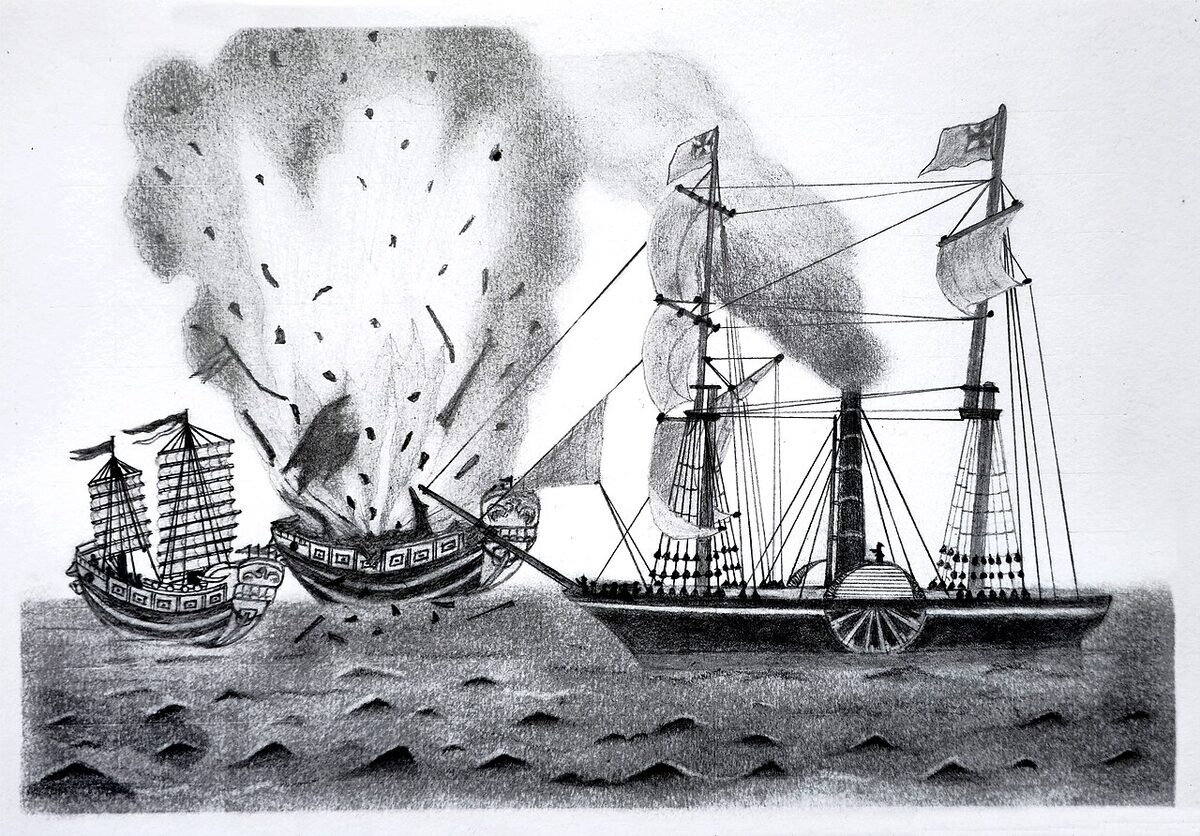
The First Opium War and the Cession of Hong Kong
The First Opium War marked a significant turning point in the history of Sino-British relations. This conflict, sparked by China’s refusal to legalize the opium trade, led to the cession of Hong Kong to Britain. The war had far-reaching consequences for both countries, shaping their relationships and influencing global politics.
Context:
In the early 19th century, British imperialism was on the rise, driven by industrial growth and a desire for new markets and resources. China, under the Qing dynasty, was seen as an attractive prize due to its vast population, rich natural resources, and extensive trade networks. However, the Chinese government had long been wary of foreign influence, and the Opium Wars were largely a response to British attempts to force China to open up its markets to European goods.
Timeline:
- 1800s: The British East India Company begins smuggling opium into China, leading to widespread addiction.
- 1839: The Chinese government seizes large quantities of opium from British ships in Guangzhou (Canton).
- January 1841: The Convention of Chuenpi is signed, ceding Hong Kong to Britain.
- August 1842: The British capture Guangzhou and force the Chinese to sign the Treaty of Nanking.
- 1843: The Treaty of Nanking is ratified by both governments.
Key Terms and Concepts:
- Opium Wars: A series of conflicts between China and Western powers, including Britain, over trade and territorial concessions.
- Extraterritoriality: A system in which foreign nationals operating within a country are immune from local laws and jurisdiction.
- Treaty ports: Cities designated by treaty as open to trade with foreign nations, often with special privileges for foreigners.
- Imperialism: The policy of extending the control or influence of one power over another through colonization, territorial acquisition, or economic domination.
Key Figures and Groups:
- Queen Victoria: The British monarch who oversaw the expansion of the Empire during this period.
- Lord Palmerston: The British Foreign Secretary responsible for negotiating the Treaty of Nanking.
- Lin Zexu: A Chinese official who attempted to suppress the opium trade, leading to tensions with Britain.
- British East India Company: A trading company that played a significant role in the early stages of Sino-British relations.
Mechanisms and Processes:
The British Navy -> blockaded Guangzhou -> captured Chusan Island -> seized forts guarding the Pearl River -> signed Convention of Chuenpi, ceding Hong Kong to Britain. The Treaty of Nanking confirmed this cession and established treaty ports with extraterritorial privileges for foreigners.
Deep Background:
In the 18th century, China’s economy was booming due to its extensive trade networks and Silk Road commerce. However, as European powers began to expand their influence, China’s government became increasingly wary of foreign interference. The Qing dynasty, which ruled China from 1644 to 1912, was marked by a series of weak emperors and corrupt officials who struggled to maintain control over the vast empire.
Explanation and Importance:
The First Opium War had significant consequences for both China and Britain. For China, it marked the beginning of a long period of foreign domination and humiliation. The cession of Hong Kong was just one example of the many concessions made by China to Western powers during this period. For Britain, the war marked an important milestone in its expansion as a global power.
Comparative Insight:
The First Opium War can be compared with other colonial conflicts, such as the Scramble for Africa, where European powers competed for territory and resources on the African continent. This comparison highlights the similarities between the motivations of European powers during this period, including a desire to expand their empires and secure new markets.
Extended Analysis:
- The Role of Opium: The opium trade played a significant role in the conflict, with British forces using the issue as a pretext for military action.
- Opium’s Impact on China: The widespread addiction to opium had devastating effects on Chinese society, leading to social unrest and economic decline.
- The British Perspective: The British saw the opium trade as a legitimate business opportunity, but their actions in forcing China to open up its markets were widely criticized at home and abroad.
- Treaty Ports and Extraterritoriality: The creation of treaty ports with extraterritorial privileges for foreigners had significant consequences for Chinese sovereignty and social stability.
Open Thinking Questions:
- What were the long-term consequences of the First Opium War for China, and how did they shape its relationships with Western powers?
- To what extent was the opium trade a factor in the conflict, and how did it contribute to the broader issues of imperialism and colonialism?
- How do comparisons between the First Opium War and other colonial conflicts highlight the complexities and nuances of historical events?
Conclusion:
The First Opium War marked a significant turning point in Sino-British relations, leading to the cession of Hong Kong and the establishment of treaty ports with extraterritorial privileges for foreigners. The conflict had far-reaching consequences for both countries, shaping their relationships and influencing global politics.
Frequently asked questions
What is First Opium War and the Cession of Hong Kong about?
The First Opium War's impact on Sino-British relations, including the cession of Hong Kong and establishment of treaty ports with extraterritorial privileges.
What key events are covered?
1800s: The British East India Company begins smuggling opium into China, leading to widespread addiction; 1839: The Chinese government seizes large quantities of opium from British ships in Guangzhou (Canton); January 1841: The Convention of Chuenpi is signed, ceding Hong Kong to Britain
Why is The First Opium War and the Cession of Hong Kong important?
The First Opium War had significant consequences for both China and Britain. For China, it marked the beginning of a long period of foreign domination and humiliation. The cession of Hong Kong was just one example of the many concessions made by China to Western powers during this period. For Britain, the war marked an important milestone in its expansion as a global power.