The Emergence of Central Banking in Northern Europe
Contents
The Emergence of Central Banking in Northern Europe
Overview
In the 17th century, the Italian banking system inspired innovations in North European nations, particularly in Amsterdam, London, and Stockholm. The establishment of central banks in these cities marked a significant shift towards modern financial systems. This development allowed for standardized currencies, cheques, and direct debits, revolutionizing commercial transactions.
Context
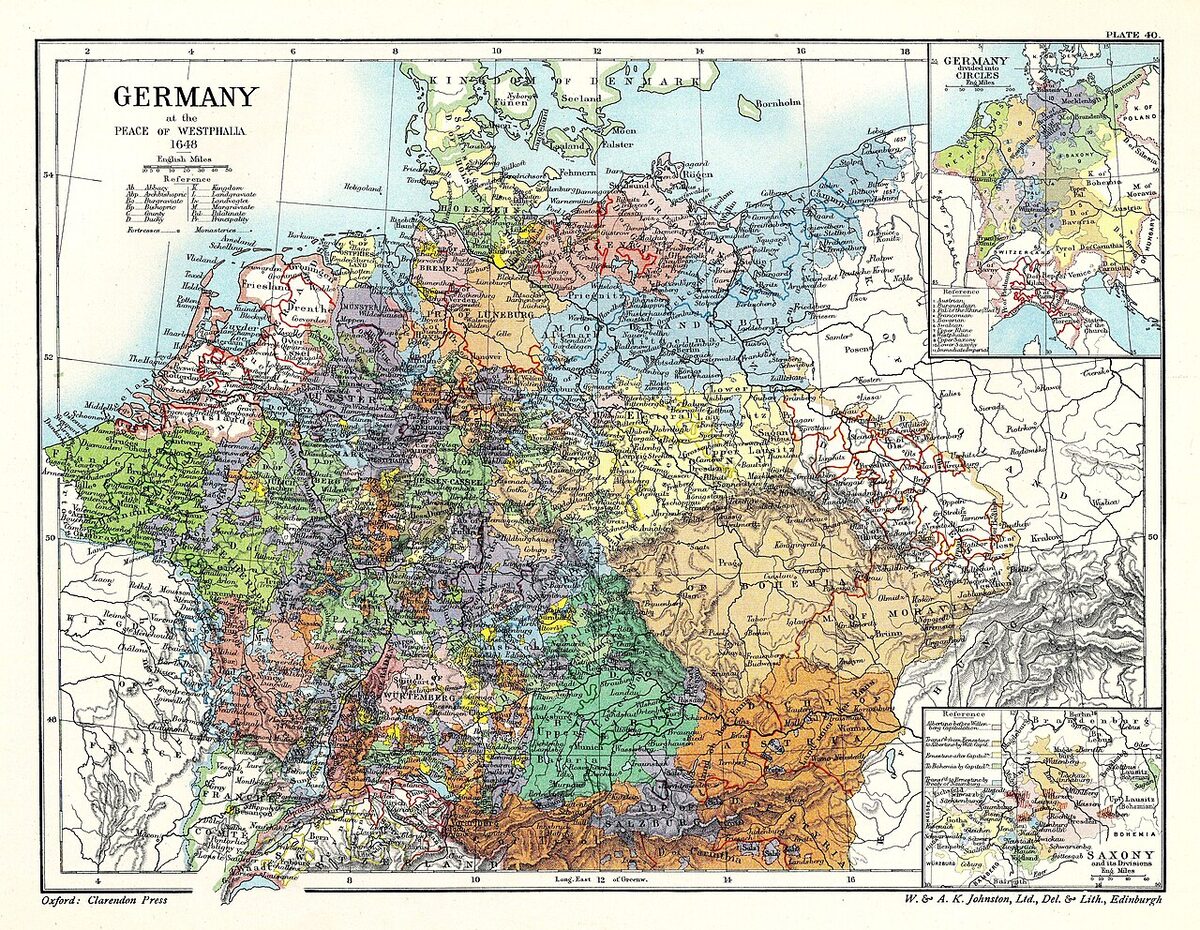
During the 17th century, the international trade landscape was characterized by mercantilism, where governments controlled foreign exchange and commerce to accumulate wealth and power. The lack of a unified currency in regions like the Netherlands, where there were 14 different mints and numerous foreign coins, created significant challenges for merchants.
Timeline
- 1609: The Amsterdam Exchange Bank (Wisselbank) is founded to address the problem of multiple currencies in the Netherlands.
- 1614: The bank introduces a standardized currency, the guilder, which becomes widely accepted.
- 1620s: Merchants begin using cheques and direct debits, facilitated by the Wisselbank’s system of accounts.
- 1650s: The concept of credit creation begins to emerge in European banking.
- 1660s: London’s Royal Exchange is established, paving the way for the development of central banks in England.
- 1670s: Stockholm’s Riksbank is founded, modeled after the Amsterdam Wisselbank.
- 1700s: Central banks in Northern Europe begin to assume a more significant role in monetary policy.
Key Terms and Concepts
Central Bank
A financial institution responsible for managing a country’s monetary system, regulating currency, and overseeing commercial banking.
Cheque
A document authorizing the bank to transfer funds from one account to another.
Credit Creation
The process by which banks extend credit to customers, creating new money in the form of loans or deposits.
Mercantilism
An economic policy where governments control foreign exchange and commerce to accumulate wealth and power.
Key Figures and Groups
Joost van den Vondel
A Dutch merchant who played a key role in establishing the Amsterdam Exchange Bank. His innovative use of cheques and direct debits facilitated trade in the Netherlands.
The Amsterdam Exchange Bank (Wisselbank)
Founded in 1609, this bank pioneered standardized currencies and cheque systems, revolutionizing commercial transactions.
The Royal Exchange (London)
Established in the 1660s, this institution paved the way for the development of central banks in England.
Mechanisms and Processes
- Deposit and Reserve Management: The Wisselbank maintained a high ratio between deposits and reserves, ensuring liquidity and preventing runs on the bank.
- Credit Creation Limitations: The bank’s reliance on metallic reserves limited its ability to create credit, hindering economic growth.
- Standardized Currency Introduction: The adoption of the guilder in 1614 facilitated trade by providing a unified currency.
Deep Background
The emergence of central banking in Northern Europe was influenced by several long-term trends:
- Rise of Trade and Commerce: Increased international trade led to the need for standardized currencies and more efficient financial systems.
- Advances in Accounting and Bookkeeping: Improvements in record-keeping facilitated the development of cheques and direct debits.
- State Formation and Economic Policy: Governments began to play a more active role in shaping economic policies, including the creation of central banks.
Explanation and Importance
The establishment of central banks in Northern Europe marked a significant shift towards modern financial systems. By introducing standardized currencies, cheques, and direct debits, these institutions facilitated commercial transactions and laid the groundwork for credit creation. While the limitations on credit creation hindered economic growth, the emergence of central banking paved the way for future innovations.
Comparative Insight
The development of central banking in Northern Europe can be compared to the emergence of similar institutions in other regions:
- Italy: The Italian banking system served as a model for North European nations.
- France: The Banque de France was founded in 1800, building on the legacy of earlier innovations.
Extended Analysis
Credit Creation and Economic Growth
The limitations on credit creation by early central banks hindered economic growth. However, the emergence of credit creation mechanisms, such as fractional reserve banking, enabled more significant financial innovation.
Monetary Policy and State Formation
Central banks played a crucial role in shaping monetary policy and state formation in Northern Europe. Governments began to use these institutions to control inflation, regulate currency, and manage trade balances.
Open Thinking Questions
- How did the emergence of central banking influence economic growth and development?
- What were the consequences of limiting credit creation by early central banks?
- In what ways do modern central banks continue to shape monetary policy and state formation?
Conclusion
The emergence of central banking in Northern Europe marked a significant turning point in financial history. The establishment of institutions like the Amsterdam Exchange Bank, London’s Royal Exchange, and Stockholm’s Riksbank laid the groundwork for modern financial systems and paved the way for future innovations.
Frequently asked questions
What is Emergence of Central Banking in Northern Europe about?
In the 17th century, the Italian banking system inspired innovations in North European nations, particularly in Amsterdam, London, and Stockholm. The establishment of central banks in these cities marked a significant shift towards modern financial systems. This development allowed for standardized currencies, cheques, and direct debits, revolutionizing commercial transactions.
What key events are covered?
1609: The Amsterdam Exchange Bank (Wisselbank) is founded to address the problem of multiple currencies in the Netherlands; 1614: The bank introduces a standardized currency, the guilder, which becomes widely accepted; 1620s: Merchants begin using cheques and direct debits, facilitated by the Wisselbank's system of accounts
Why is The Emergence of Central Banking in Northern Europe important?
The establishment of central banks in Northern Europe marked a significant shift towards modern financial systems. By introducing standardized currencies, cheques, and direct debits, these institutions facilitated commercial transactions and laid the groundwork for credit creation. While the limitations on credit creation hindered economic growth, the emergence of central banking paved the way for future innovations.