The Economic Empire: A System of Debt and Manipulation
Contents
The Economic Empire: A System of Debt and Manipulation
Overview
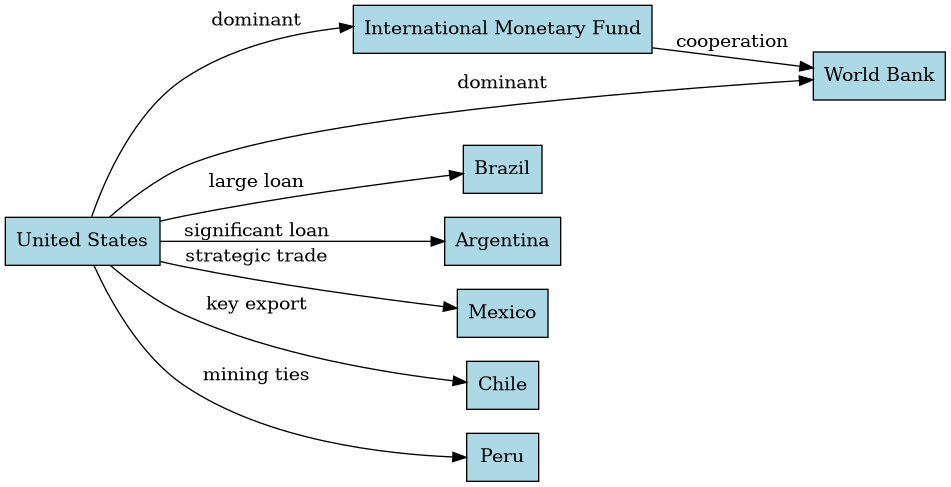
The economic empire built by the United States is a vast network of financial relationships that have enabled American dominance on a global scale. This system relies heavily on debt, economic manipulation, and fraud to maintain control over other nations. By providing large loans that are often impossible for countries to repay, the United States gains significant economic leverage over these nations, effectively turning them into vassal states.
Context
The modern global economy has been shaped by a long history of colonialism, imperialism, and the rise of multinational corporations. The post-World War II era saw the emergence of the United States as a dominant world power, with its economy becoming increasingly intertwined with those of other nations through foreign investment, trade agreements, and international financial institutions.
Timeline
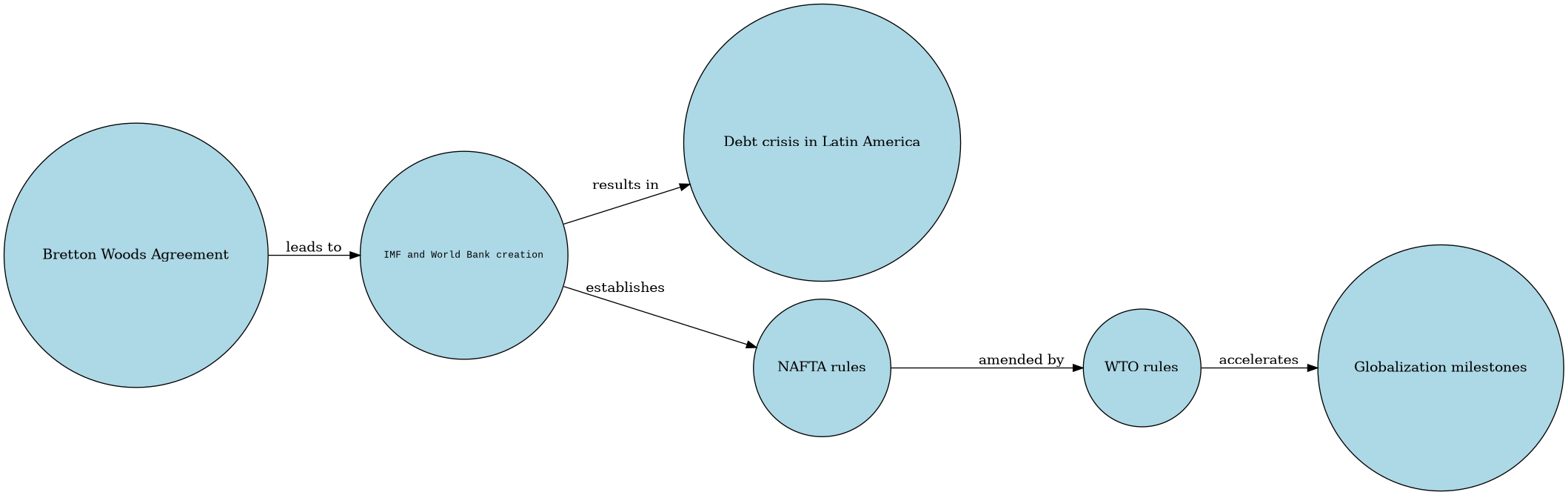
- 1945: The Bretton Woods Agreement establishes the International Monetary Fund (IMF) and the World Bank, two institutions that would play critical roles in shaping global economic policy.
- 1950s-1960s: The United States begins to extend large loans to developing countries as part of its foreign aid programs.
- 1970s: The rise of multinational corporations accelerates globalization, with American companies expanding their operations worldwide.
- 1980s: The debt crisis in Latin America and the Caribbean prompts a significant increase in IMF lending, which often comes with strict austerity measures for borrowing countries.
- 1990s-2000s: Globalization reaches new heights, with international trade agreements like NAFTA and WTO rules facilitating the flow of goods, services, and capital across borders.
Key Terms and Concepts
Debt
Debt is a financial obligation to repay a sum of money, often with interest. In the context of the economic empire, debt refers to the large loans extended by the United States to other countries.
Economic Manipulation
Economic manipulation involves using financial leverage or coercion to influence the actions of another nation or entity. This can include setting unfair trade policies, manipulating exchange rates, or providing loans with onerous conditions.
Vassal State
A vassal state is a country that is subject to the control or dominance of another power. In the context of the economic empire, countries that are heavily indebted to the United States may be seen as vassal states.
Key Figures and Groups
Economic Hit Men
Economic hit men are individuals who use their positions within multinational corporations or governments to extract resources from other nations through a combination of bribery, intimidation, and deception. Their actions often involve providing large loans that are difficult for countries to repay.
The IMF and World Bank
These international financial institutions play critical roles in shaping global economic policy by providing loans and setting conditions for borrowing countries.
Mechanisms and Processes
- The United States extends large loans to other countries, often through international financial institutions.
- These countries are required to implement austerity measures and structural reforms as a condition of the loan.
- Over time, the debt burden becomes unsustainable, allowing the United States to exert significant economic leverage over the borrowing country.
Deep Background
The concept of debt has been used as a tool of control throughout history. In ancient civilizations, debt was often used to enslave individuals or entire communities. The modern system of international finance has built upon this legacy, using debt as a means of exerting economic dominance over other nations.
Explanation and Importance
The economic empire represents a significant shift in the global balance of power, with the United States emerging as a dominant force through its financial relationships with other countries. This system is characterized by debt, economic manipulation, and fraud. The consequences of this system include:
- Increased inequality between nations
- Reduced sovereignty for borrowing countries
- Greater economic leverage for the lending country
Comparative Insight
Similar systems of debt and manipulation have existed throughout history, including ancient empires like the Roman Empire and more recent examples like the British Empire.
Extended Analysis
The Role of International Financial Institutions
International financial institutions like the IMF and World Bank play critical roles in shaping global economic policy. Their lending practices often prioritize the interests of creditor nations over those of borrowing countries.
The Rise of Multinational Corporations
Multinational corporations have played a significant role in expanding globalization, with American companies leading the way. These corporations often use their financial influence to shape international trade policies and exert control over resource extraction in other countries.
Open Thinking Questions
- What are the implications of the economic empire for global inequality?
- How do international financial institutions shape global economic policy?
- What role can individuals play in challenging this system?
Conclusion
The economic empire built by the United States represents a significant shift in the global balance of power. Through its use of debt, economic manipulation, and fraud, this system has allowed American dominance to be maintained on a global scale.