The Cotton-Backed Bond Scheme: A Historical Analysis
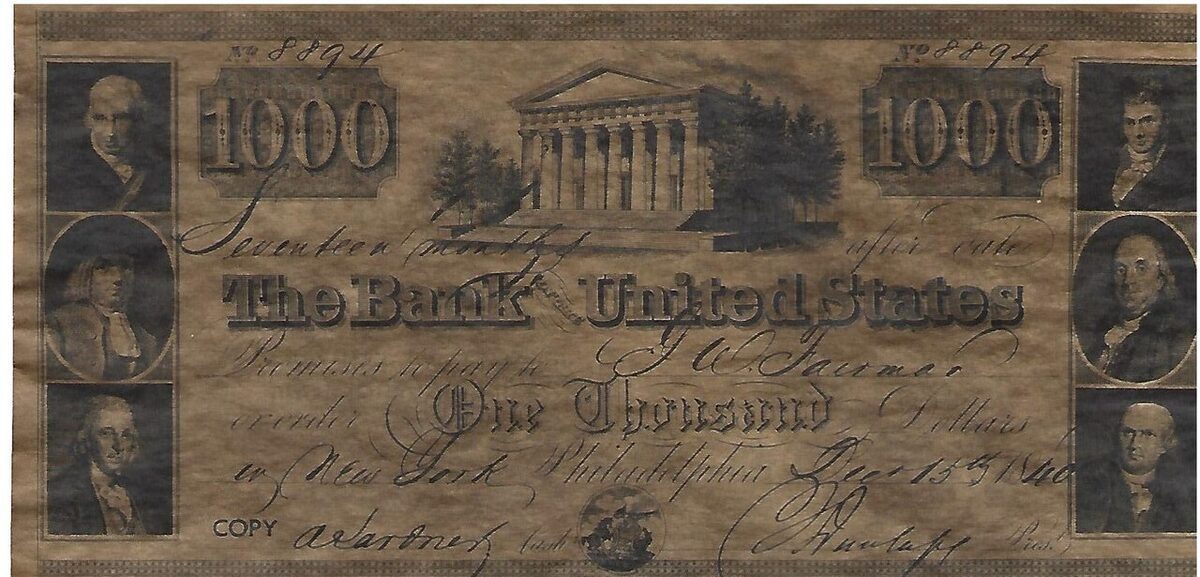
The Cotton-Backed Bond Scheme: A Historical Analysis
Overview
The Civil War in the United States saw a unique financial innovation emerge from the Confederate states, known as the cotton-backed bond scheme. This strategy allowed the South to raise funds from European investors despite being considered a poor credit risk. The bonds were collateralized by the value of the Southern cotton crop, which played a crucial role in the Confederate economy.
Context
During the mid-19th century, the global economy was undergoing significant changes. The Industrial Revolution had created new industries and trade networks, while the expansion of European empires led to increased economic interdependence between nations. The institution of slavery was also a contentious issue, with many arguing that it was morally reprehensible.
Timeline
- 1861: The American Civil War begins, pitting the Union against the Confederacy.
- 1862: The Confederate government tries to sell conventional bonds in European markets but receives little enthusiasm from investors.
- 1863: Emile Erlanger and Co. starts issuing cotton-backed bonds on behalf of the South in London and Amsterdam.
- December 1863: The price of cotton begins to rise due to increased wartime demand, causing the value of the bonds to increase.
- September 1864: The price of the bonds doubles despite Confederate defeats at Gettysburg and Vicksburg.
Key Terms and Concepts
- Cotton-backed bond: A type of bond collateralized by the value of a cotton crop, used as a financial innovation during the American Civil War.
- Confederacy: The government of the Southern states during the American Civil War, which sought to secede from the Union.
- Credit risk: The likelihood that an investment will default or become worthless, often due to the borrower’s lack of creditworthiness.
- Industrial Revolution: A period of significant economic and technological change in the 18th and 19th centuries, characterized by the development of new industries and trade networks.
Key Figures and Groups
- Jefferson Davis: The president of the Confederate States of America, who advocated for the repudiation of state debts during his time as a US senator.
- Emile Erlanger and Co.: A French firm that issued cotton-backed bonds on behalf of the South in European markets.
Mechanisms and Processes
The cotton-backed bond scheme worked as follows:
-> The Confederate government would sell its cotton crop to investors, who would then use this collateral to issue bonds. -> These bonds would be traded on European markets, with investors hoping to benefit from the rising value of cotton due to increased wartime demand. -> The South would restrict the supply of cotton, causing prices to rise and further increasing the value of the bonds.
Deep Background
The institution of slavery was a significant factor in the American Civil War. Many Southerners relied heavily on slave labor for their agricultural production, including cotton. However, this system was morally reprehensible to many Northerners, who saw it as an affront to human dignity. The tension between these two perspectives ultimately led to the secession of the South and the start of the Civil War.
Explanation and Importance
The cotton-backed bond scheme allowed the Confederacy to raise funds from European investors despite being considered a poor credit risk. This was possible because the bonds were collateralized by the value of the Southern cotton crop, which was rising due to increased wartime demand. The scheme’s success was largely due to the clever use of financial innovation and the manipulation of market forces.
Comparative Insight
A similar example of financial innovation can be seen in the development of the British railway industry during the 19th century. Companies like the Liverpool and Manchester Railway used innovative financing techniques, such as the issue of debentures and preference shares, to raise funds for their projects. Like the cotton-backed bond scheme, these innovations allowed companies to tap into new sources of capital and expand their operations.
Extended Analysis
- The economics of slavery: The institution of slavery played a significant role in the American Civil War. However, it also had broader economic implications, including the impact on trade networks and the development of industries.
- Financial innovation and risk management: The cotton-backed bond scheme was an example of financial innovation during a time of great uncertainty. It allowed investors to manage their risk by diversifying their portfolios and taking advantage of new market opportunities.
- Globalization and economic interdependence: The American Civil War highlighted the interconnectedness of global economies. European investors were willing to invest in Confederate bonds, despite the country’s poor credit rating, due to the rising value of cotton.
Open Thinking Questions
- How did the institution of slavery contribute to the outbreak of the American Civil War?
- What role did financial innovation play in the development of the Confederacy?
- In what ways can the cotton-backed bond scheme be seen as an example of globalization and economic interdependence?
Frequently asked questions
What is Cotton-Backed Bond Scheme: A Historical Analysis about?
The Civil War in the United States saw a unique financial innovation emerge from the Confederate states, known as the cotton-backed bond scheme. This strategy allowed the South to raise funds from European investors despite being considered a poor credit risk. The bonds were collateralized by the value of the Southern cotton crop, which played a crucial role in the Confederate economy.
What key events are covered?
1861: The American Civil War begins, pitting the Union against the Confederacy; 1862: The Confederate government tries to sell conventional bonds in European markets but receives little enthusiasm from investors; 1863: Emile Erlanger and Co. starts issuing cotton-backed bonds on behalf of the South in London and Amsterdam
Why is The Cotton-Backed Bond Scheme: A Historical Analysis important?
The cotton-backed bond scheme allowed the Confederacy to raise funds from European investors despite being considered a poor credit risk. This was possible because the bonds were collateralized by the value of the Southern cotton crop, which was rising due to increased wartime demand. The scheme's success was largely due to the clever use of financial innovation and the manipulation of market forces.
Related posts
- Global Financial Shifts: The Core as Crisis Zone
- The Cotton Trade and the Secession Crisis
- The Bretton Woods System: A New Financial Architecture for the Post-War World
- The Financial Struggle of the Confederacy: A Study on the Crucial Role of Money in the American Civil War
- Turning Points in the Civil War: The Fall of Vicksburg and the Capture of New Orleans