The American Dream Downpayment Act: A Critical Examination
The American Dream Downpayment Act: A Critical Examination
Overview
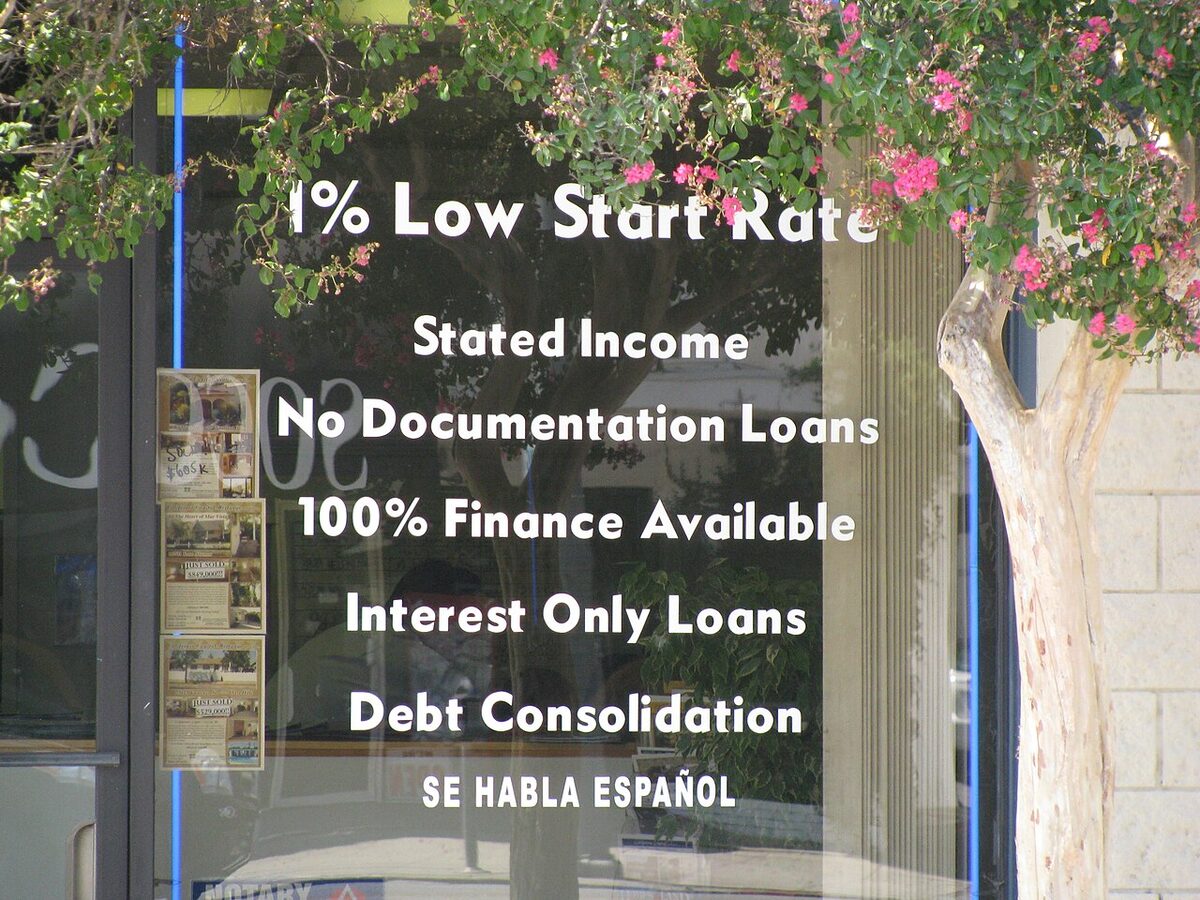
In 2002, President George W. Bush launched an initiative to increase homeownership among minority groups in America. He challenged lenders to create 5.5 million new minority homeowners by the end of the decade and signed the American Dream Downpayment Act in 2003. This measure aimed to subsidize first-time house purchases for lower-income individuals, encouraging lenders not to press sub-prime borrowers for full documentation.
Context
In the early 2000s, the United States was experiencing a housing market boom. The Federal Reserve had kept interest rates low since the 1998 financial crisis, leading to increased demand for homes and rising property values. This created an environment where lenders were eager to make more loans, often with lax underwriting standards. Sub-prime lending, characterized by high-interest rates and fees, became increasingly prevalent.
Timeline
- 2002: President George W. Bush launches the initiative to increase minority homeownership.
- 2003: The American Dream Downpayment Act is signed into law.
- 2005-2006: Housing prices peak, and sub-prime lending expands rapidly.
- 2007-2008: The housing market begins to decline, leading to a global financial crisis.
- 2010: The Dodd-Frank Wall Street Reform and Consumer Protection Act is passed in response to the crisis.
Key Terms and Concepts
- Sub-prime lending: high-interest loans made to borrowers with poor credit history or limited financial resources.
- Predatory lending: practices that exploit borrowers, often through hidden fees and charges.
- Securitization: the process of converting mortgage-backed securities into tradable assets.
Key Figures and Groups
- President George W. Bush: initiated the program to increase minority homeownership.
- Henry Louis Gates Jr.: advocated for property ownership as a solution to black poverty and dysfunction.
- Fannie Mae and Freddie Mac: government-sponsored enterprises (GSEs) that played a significant role in the sub-prime market.
Mechanisms and Processes
→ Lenders were encouraged by the administration to make more loans, often with lax underwriting standards. → The American Dream Downpayment Act provided subsidies for first-time homebuyers, increasing demand for homes. → Sub-prime lending expanded rapidly, leading to a housing market bubble.
Deep Background
The 1968 Fair Housing Act and the Community Reinvestment Act of 1977 aimed to address discriminatory lending practices. However, these laws did not fully prevent predatory lending practices, which continued to affect minority communities.
Explanation and Importance
The American Dream Downpayment Act was intended to increase homeownership among low-income individuals. However, it inadvertently contributed to the housing market bubble by encouraging sub-prime lending. The consequences of this policy were severe, leading to a global financial crisis in 2008.
Comparative Insight
The United States is not alone in experiencing issues related to sub-prime lending and predatory practices. Similar challenges have been observed in other countries, such as the UK and Ireland, which have also experienced housing market bubbles and subsequent crises.
Extended Analysis
- The Role of Government-Sponsored Enterprises (GSEs): Fannie Mae and Freddie Mac played a significant role in the sub-prime market by purchasing and securitizing mortgage-backed assets. This contributed to the expansion of sub-prime lending.
- The Impact on Minority Communities: Sub-prime lending disproportionately affected minority communities, exacerbating existing economic inequalities.
- Regulatory Failures: Regulatory agencies failed to prevent predatory lending practices, allowing the housing market bubble to form.
Open Thinking Questions
- What are the long-term consequences of policies like the American Dream Downpayment Act?
- How can governments balance the goal of increasing homeownership with the need to prevent predatory lending practices?
- What measures can be taken to address the ongoing issues related to sub-prime lending and housing market bubbles?
Conclusion
The American Dream Downpayment Act was a well-intentioned policy aimed at increasing minority homeownership. However, it inadvertently contributed to the housing market bubble by encouraging sub-prime lending. This highlights the need for careful consideration of the potential consequences of policies and the importance of effective regulation to prevent predatory practices.
Frequently asked questions
What is American Dream Downpayment Act: A Critical Examination about?
In 2002, President George W. Bush launched an initiative to increase homeownership among minority groups in America. He challenged lenders to create 5.5 million new minority homeowners by the end of the decade and signed the American Dream Downpayment Act in 2003. This measure aimed to subsidize first-time house purchases for lower-income individuals, encouraging lenders not to press sub-prime borrowers for full documentation.
What key events are covered?
2002: President George W. Bush launches the initiative to increase minority homeownership; 2003: The American Dream Downpayment Act is signed into law; 2005-2006: Housing prices peak, and sub-prime lending expands rapidly
Why is The American Dream Downpayment Act: A Critical Examination important?
The American Dream Downpayment Act was intended to increase homeownership among low-income individuals. However, it inadvertently contributed to the housing market bubble by encouraging sub-prime lending. The consequences of this policy were severe, leading to a global financial crisis in 2008.